Discover the guidelines regarding the direction of toilets in relation to the Qiblah. While Islamic teachings stress the importance of respecting the Kabahs sanctity by not facing it or turning ones back during acts of nature, the application varies. The Prophet Muhammad (Sallallahu Alaihi wa Sallam) instructed against facing or turning one's back to the Qiblah while urinating or defecating.

The Standing Committee for Issuing Fatwas was asked about the ruling on facing towards the Qiblah or turning one's back towards it when relieving oneself, inside buildings or out in the open, then about the ruling on buildings that are currently being used in which there are toilets that face towards the Qiblah or have the Qiblah behind them. Here are some important considerations for us all. Number 1, when entering the bathroom or the toilet, it is recommended to use the left foot as we go inside, and when leaving, to place the right foot out first.

Toilet direction as per vastu and Bathroom direction as per vastu
Number 2, if there is a possibility of someone else being there, the private parts should be covered and not exposed. Then, the question arises "what will be regarded as the 'direction' of the Qibla?" Hazrat Mufti Rashid Ahmed Saheb r.a elaborates about the maximum degrees that will be counted in the 'direction' of the Qibla in Ahsanul Fatawa, Vol: 2, pg; 313 "Facing up to 45 degrees away from the Qibla either way will not nullify ones salah. Islamic toilet etiquette is a set of personal hygiene rules in Islam that concerns going to the toilet.
This code of Islamic hygienical jurisprudence is called Qaḍāʾ al-Ḥāǧa (Arabic: قضاء الحاجة). Personal hygiene is mentioned in a single verse of the Quran in the context of ritual purification from a minor source of impurity, known as the Wuḍūʾ verse; its interpretation. As a result, to construct the toilet in such a direction is not permitted.

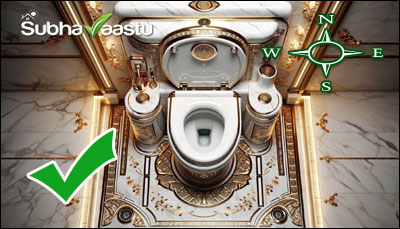
Western Commode Placements As per Vastu | Toilets | WC
It is stated Bahar e Shari'ah with reference to Radd al-Muhtar: At the time of urinating or defecating or while cleaning [after attending the toilet], neither should the face be towards qiblah nor should the back. This ruling is general; be it in one's home or in a. Until the direction of the W.C.
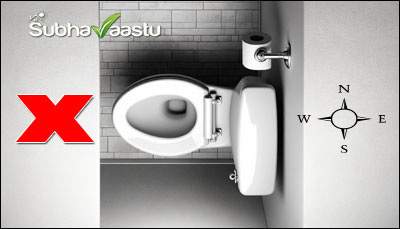
is not corrected, it is compulsory for those using such toilets to sit having face or back towards other direction than Qiblah. وَاللہُ اَعْلَمُ عَزَّوَجَلَّ وَ رَسُوْلُہ اَعْلَم صَلَّی اللّٰہُ تَعَالٰی عَلَیْہِ وَاٰلِہٖ. 1.

11 Vastu Tips for Toilet & Bathroom
Not to face the qiblah (direction of prayer, i.e. the Ka'bah which was built in Makkah by Ibrahim, upon whom be peace, as commanded by Allaah) when urinating or defecating. This is out of respect for the Qiblah and for the symbols and rituals of Allaah.

The Messenger of Allaah SAW (peace and blessings of Allaah be upon him) said: "When any one of you sits down to answer the call of. Muslim bathroom etiquette includes: not facing the qiblah, not touching the penis with the right hand, not removing impurity with the right hand, answering the call of nature sitting, concealing oneself from the sight of others, reciting dhikr when entering or leaving the toilet, and not urinating into stagnant water. Muslim bathroom etiquette Islamic shareeah includes a number of rules and manners to be followed when answering the call of nature, including the following: 1.Not to face the qiblah (direction of prayer, i.e.
the Kabah which was built in Makkah by Ibrahim, upon whom be peace, as commanded by Allaah) when urinating or defecating.