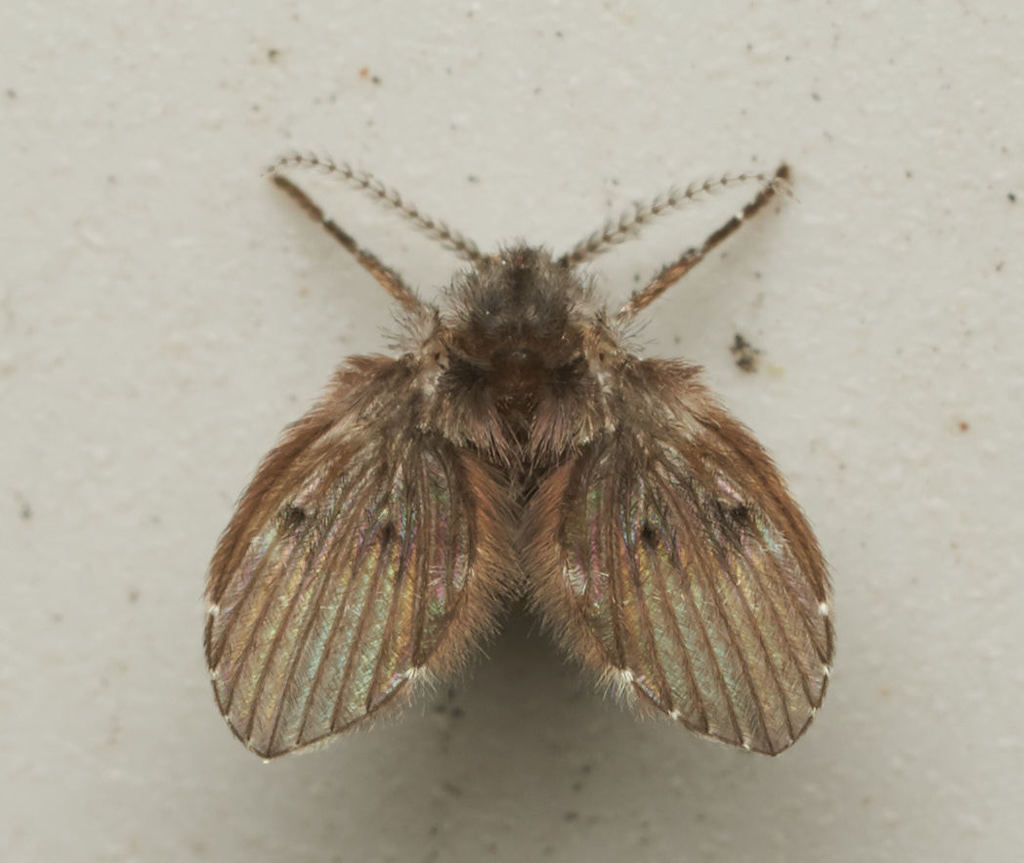
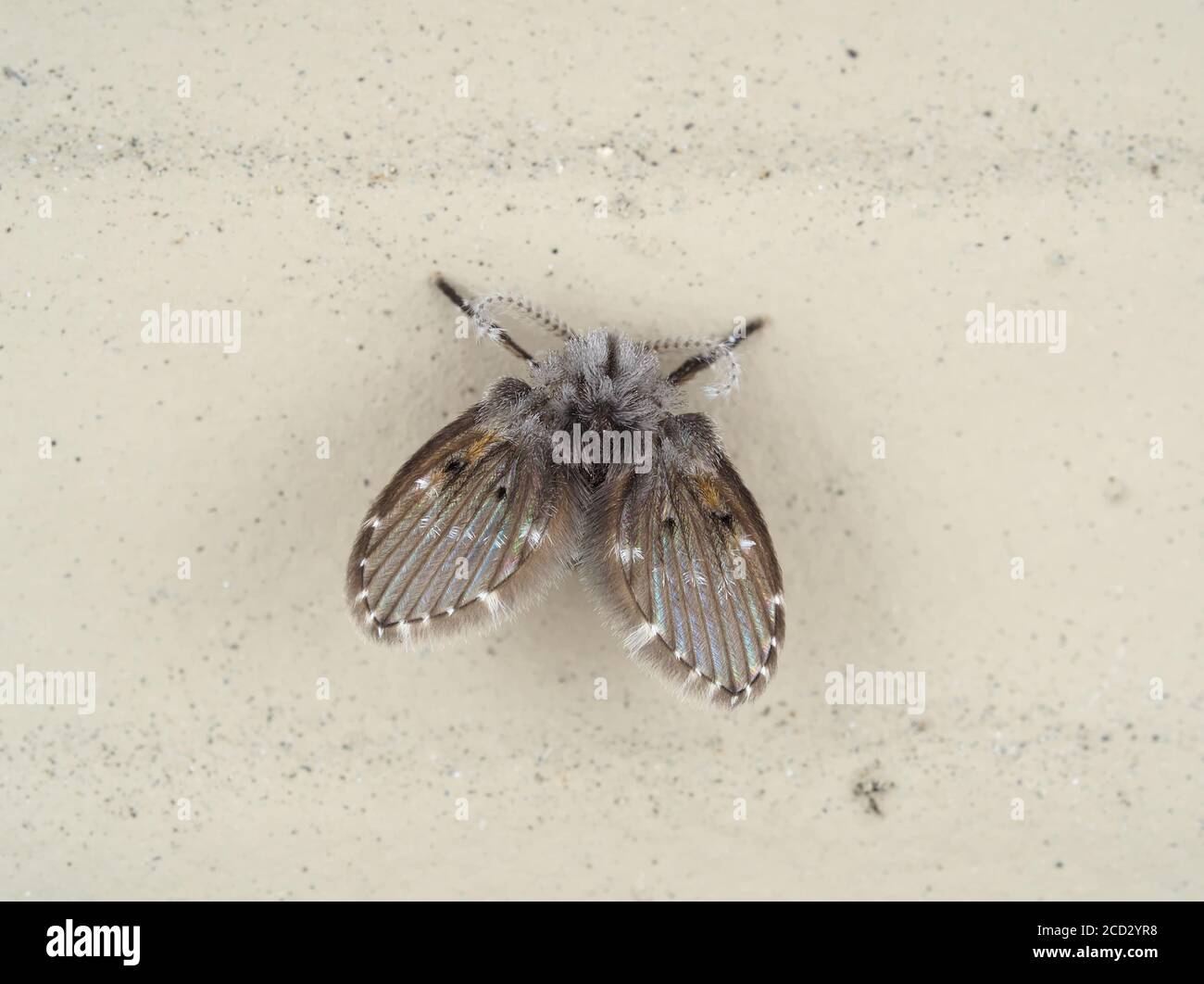
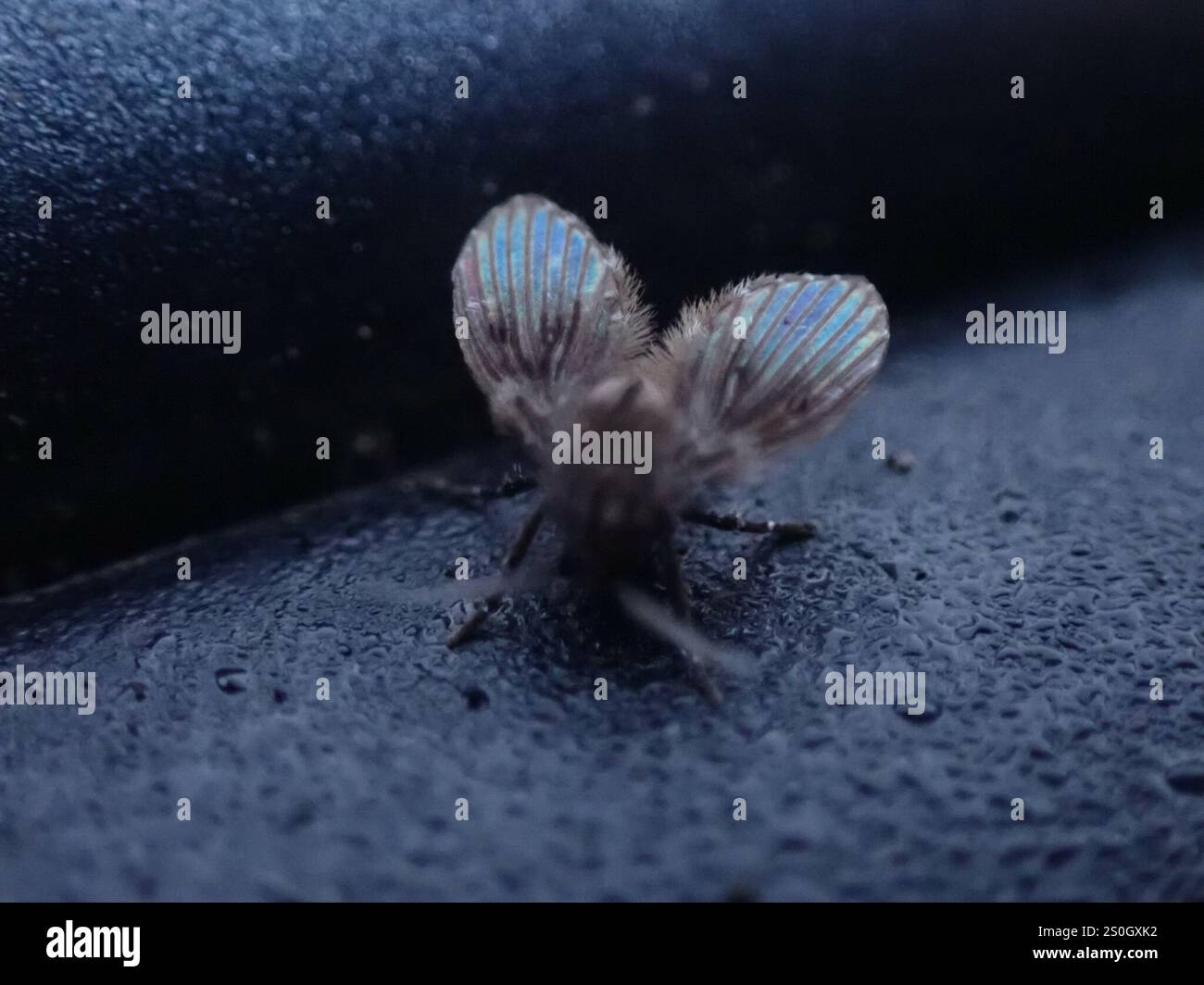
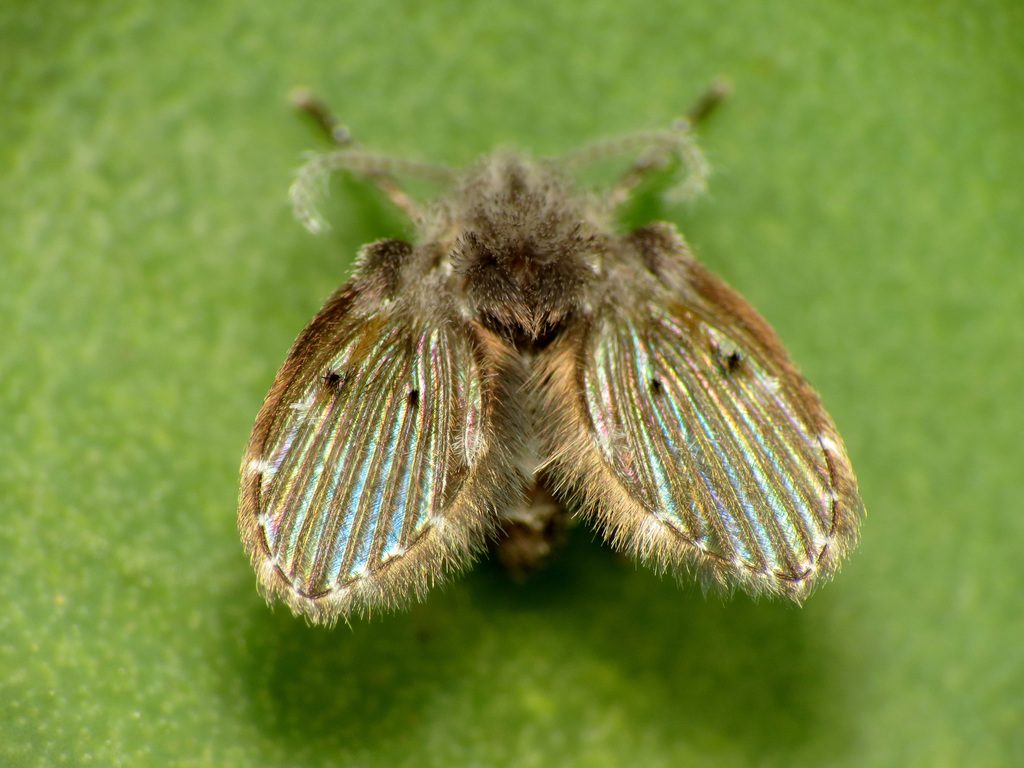
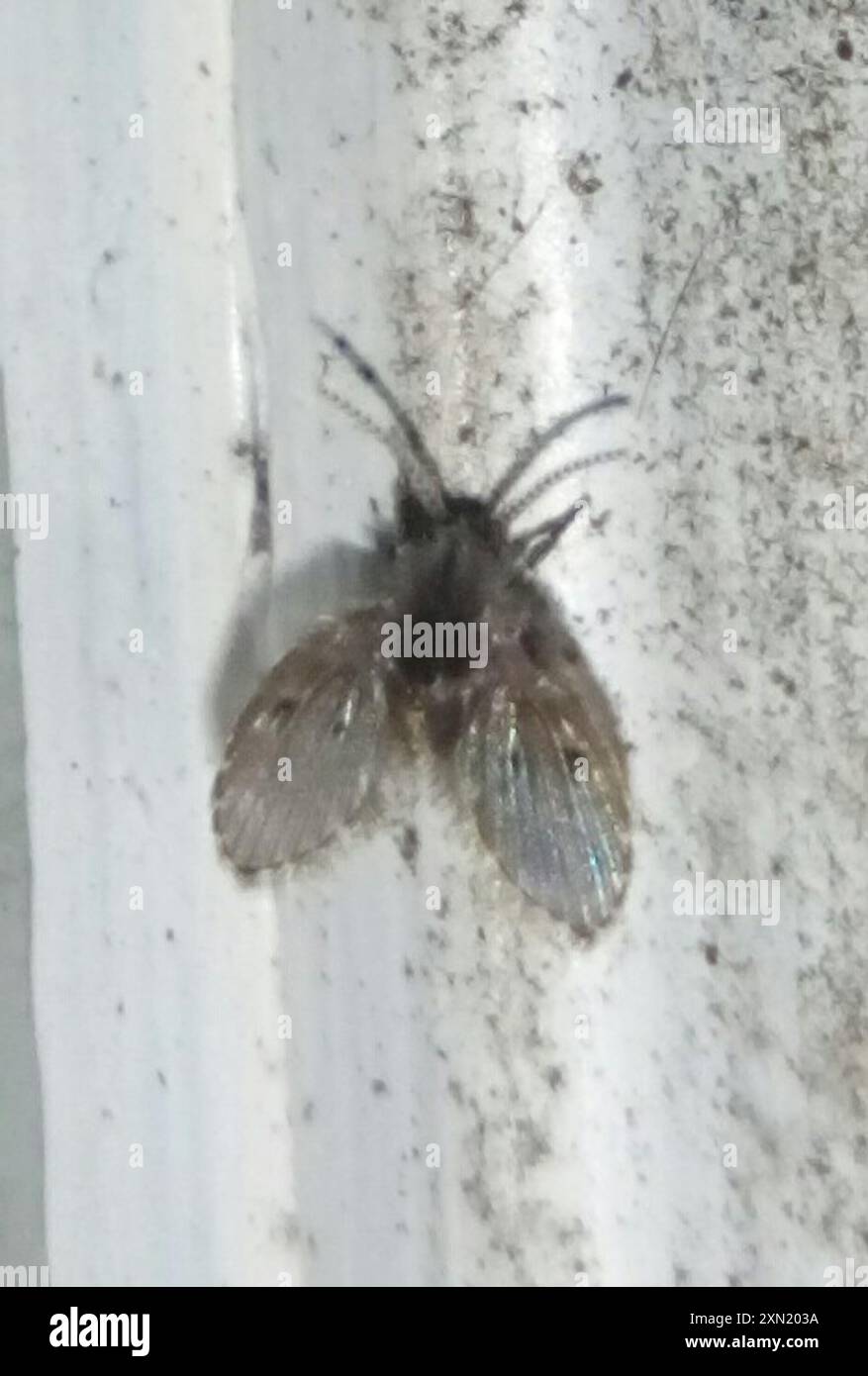
Struggling with moths in your bathroom? Learn how to identify, remove, and prevent drain flies, clothes moths, and pantry moths with expert moth tips and traps. Clogmia albipunctata is a species of drain fly, a member of the family Psychodidae commonly known as the bathroom moth midge, bathroom moth fly or drain fly. [2].
Clogmia albipunctata is a species of fly in the family Psychodidae (Diptera), with a worldwide distribution, and is commonly associated with human habitation. Other names for this insect include drain flies, sewer flies, filter flies or bathroom flies. Due to their hairy appearance, with dense setae on their bodies and long antennae, these insects are also referred to as moth flies or moth.
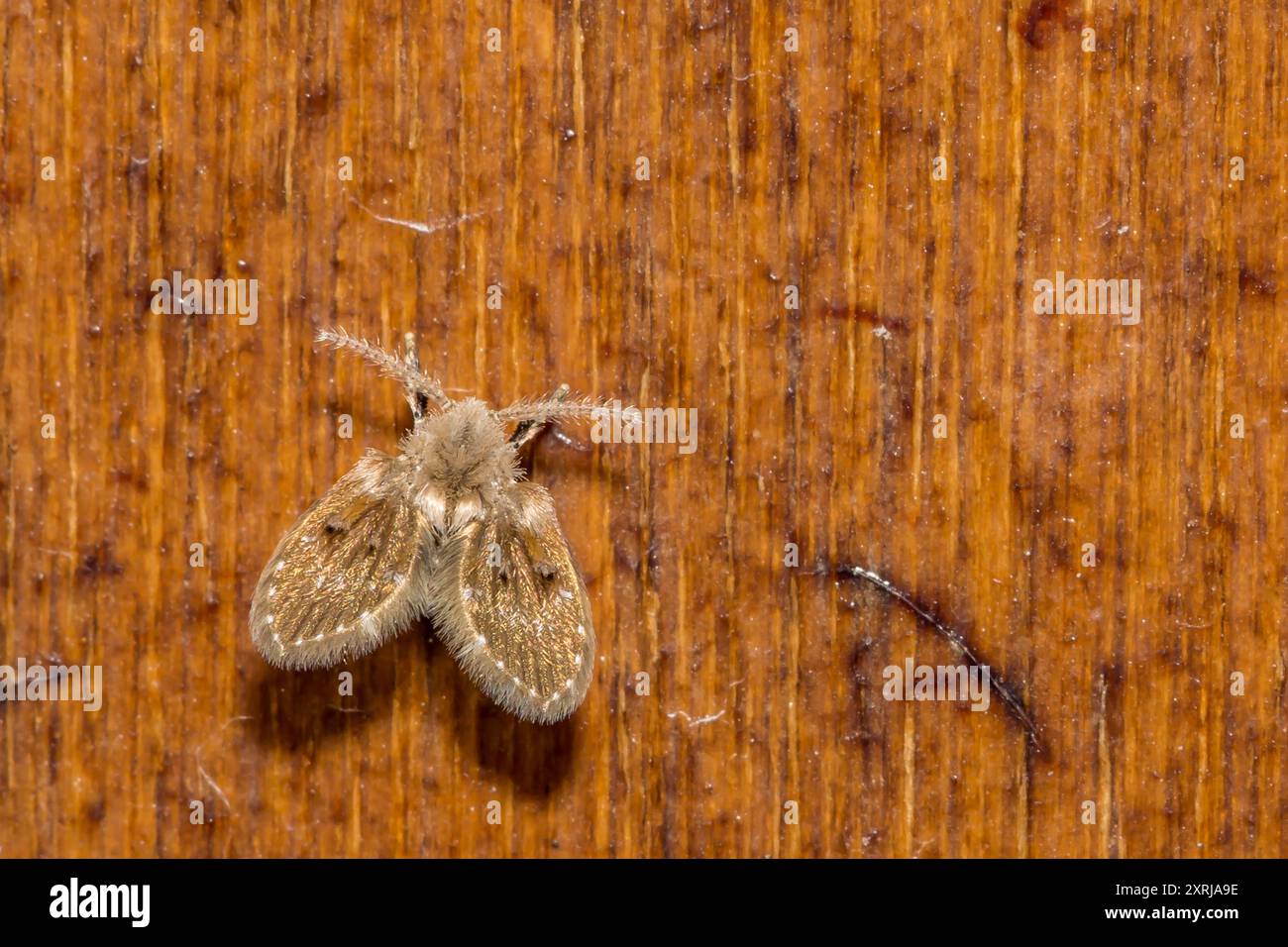
How to Get Rid of Drain Flies / Moth Flies in Your Bathroom
Drain flies (Psychodidae family) are tiny flies that feed on sludge and stagnant water. To get rid of them, find the source and clean it up. Unlike moths, however, drain flies are not adept at flying, capable of flying only a few feet at a time.

Why Drain Flies Really Dig Your Bathroom Well, they dig your bathroom, but really any drain will do because they tend to accumulate water and bacteria, particularly if unused over a period of time. Discover why you're seeing flies in your bathroom and how to safely and effectively get rid of them. Learn expert prevention tips from Specter Pest Control! How to Get Rid of Small Moths in Bathroom? You can get rid of small moths in the bathroom by using boiling water, a solution of salt mixed with baking soda and vinegar, drain cleaners, using essential oils, duct tape method, placing basil, lavender, and clove plants, and moth traps.
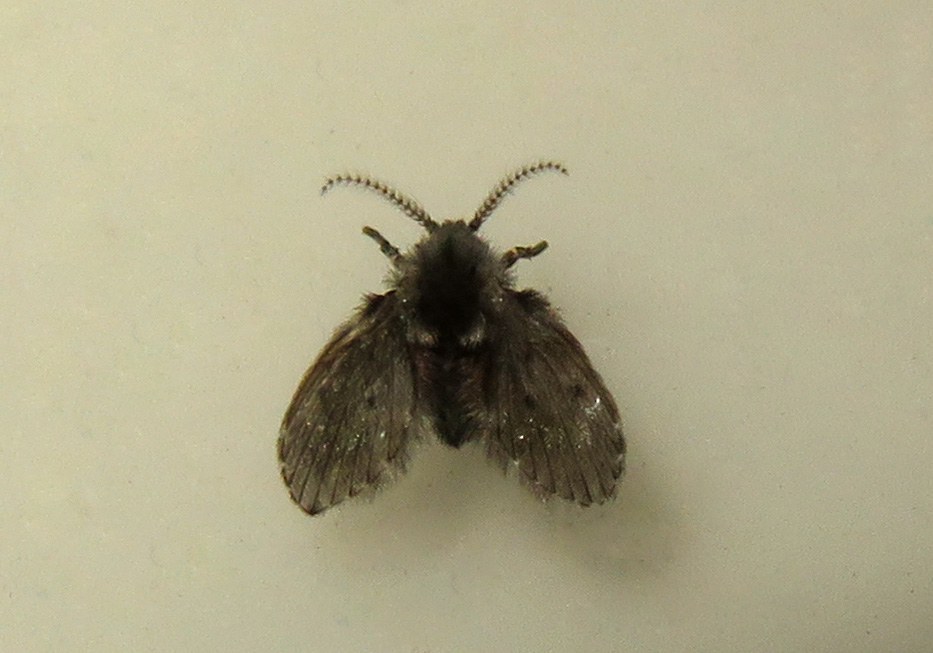
Bathroom Moth Fly (Clogmia albipunctata) Insecta Stock Photo - Alamy
How to Get Rid of Drain Flies in the Bathroom Sink If you're seeing small, fuzzy, moth-like flies hovering around your bathroom sink or resting on the walls, you're dealing with drain flies. These insects are a common nuisance pest, and their presence points to a specific problem. Understanding Bathroom Flies: Identifying the Culprits Before taking action, it's important to know what you're dealing with.
Most bathroom fly infestations involve two common types: moth flies (drain flies) and phorid flies. Worm-like larvae hatch out and feed on microscopic bacteria, algae, and other sludge in the drain before turning into adult flies. If you don't use this downstairs bathroom as often as upstairs bathrooms, the drains may not get the same attention, making them more suitable for drain flies.