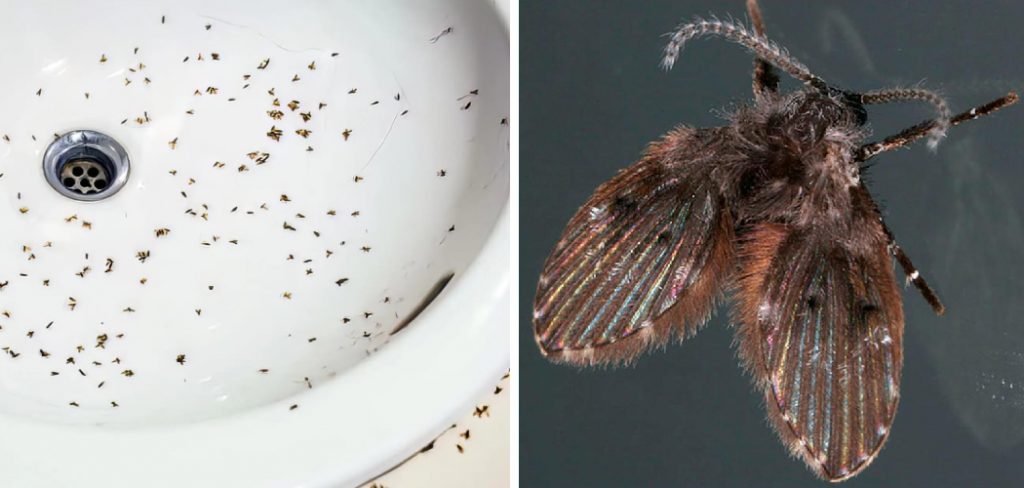
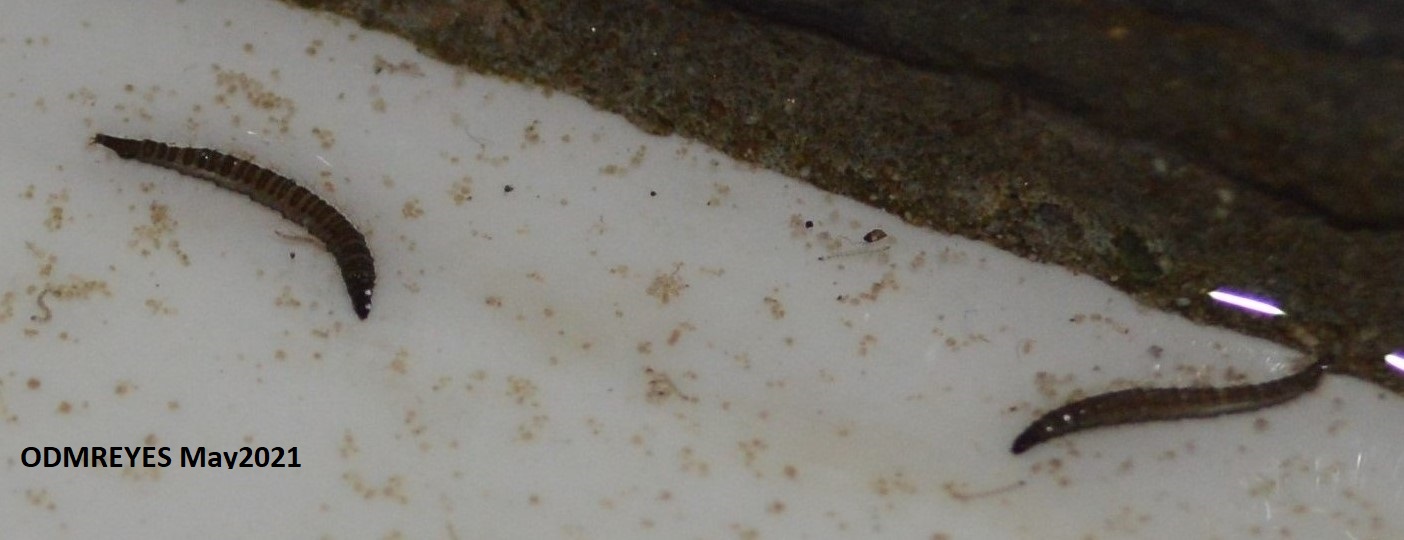
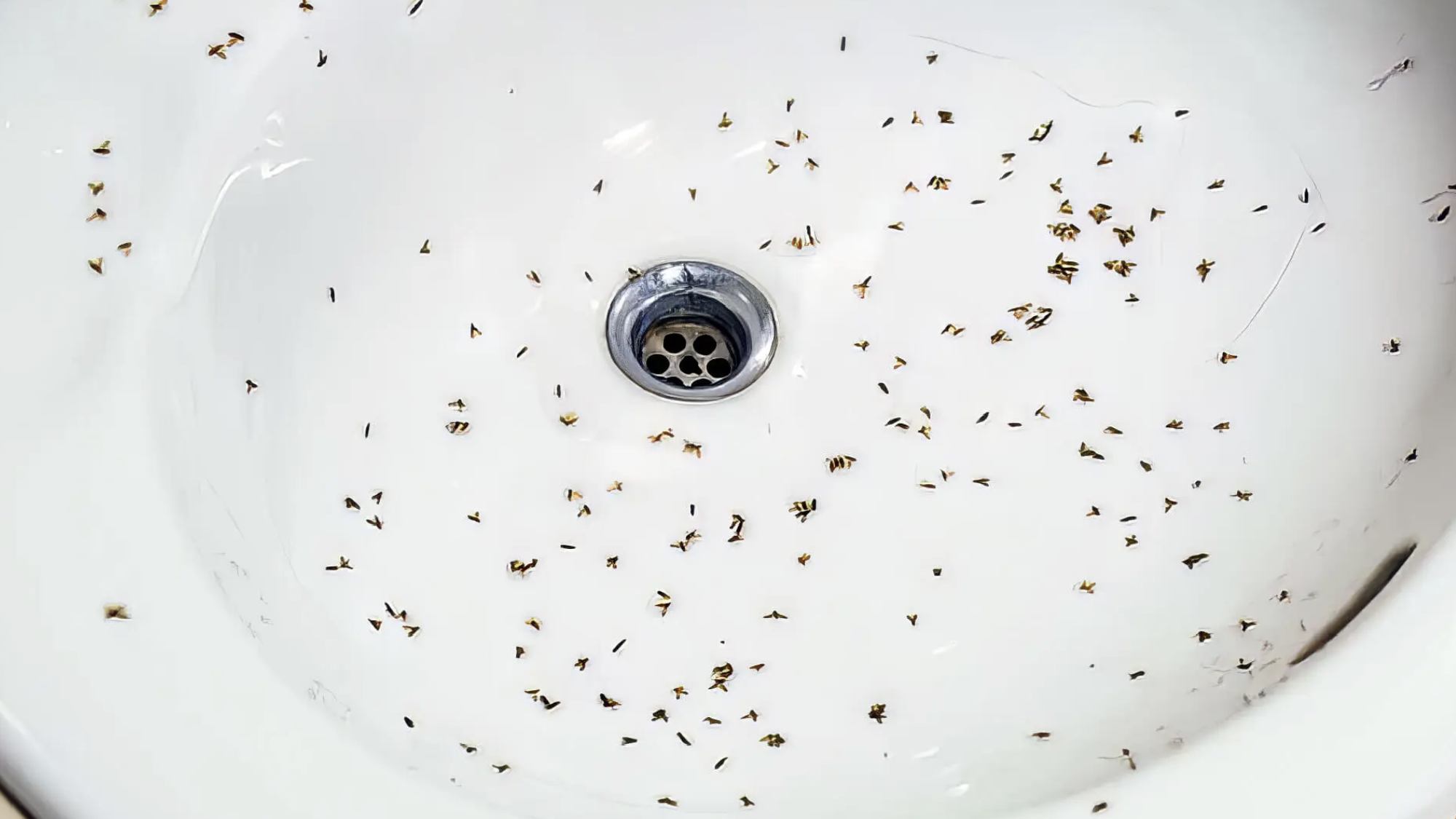
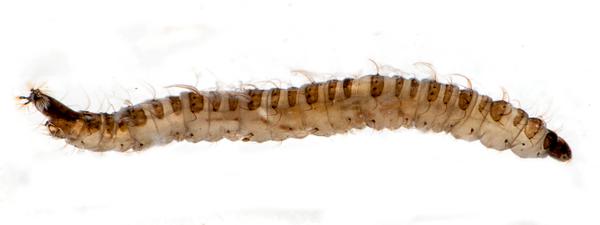
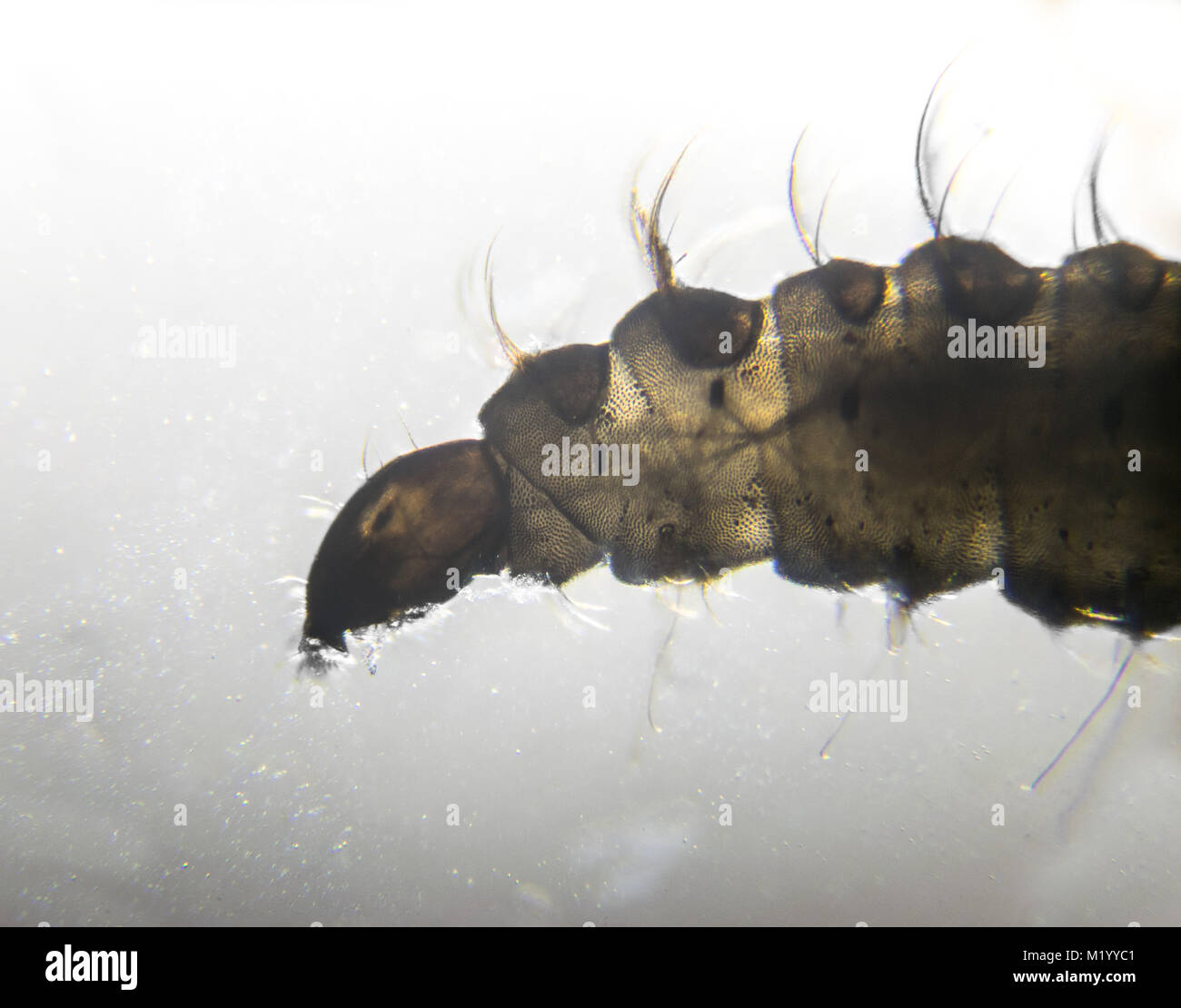
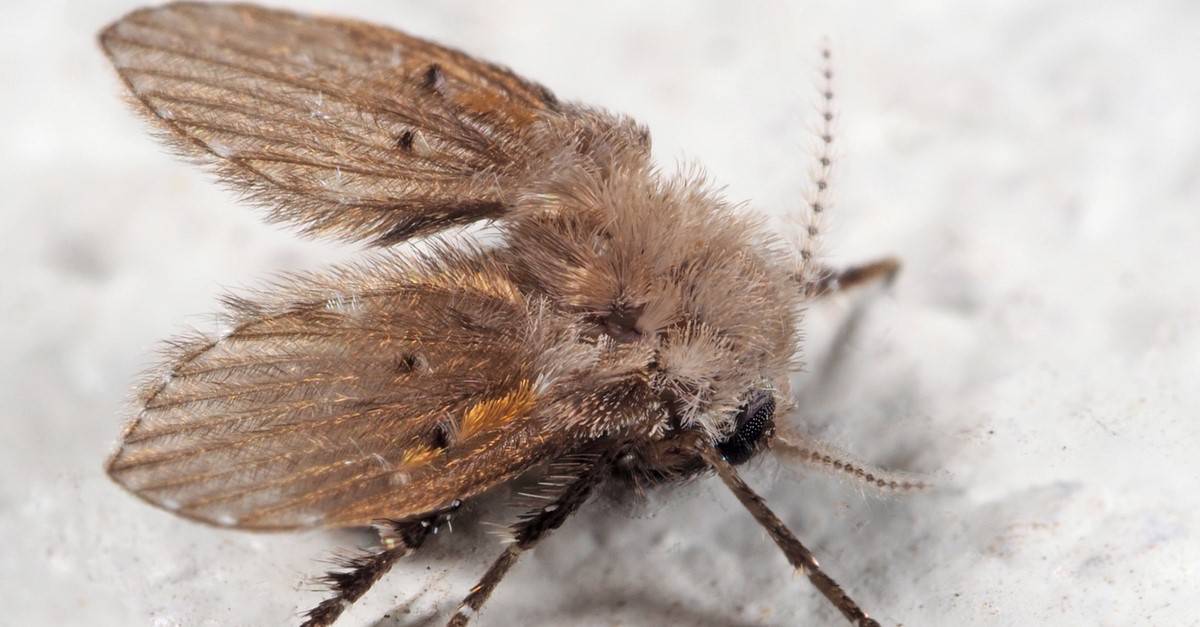
Some of the most common drain worms are drain fly larva. These can appear in bathrooms, showers, sinks RVs and more. Learn what to do! Drain flies lay their eggs in moist, organic materials like the sludge and buildup found in drains, sewage systems, or stagnant water.
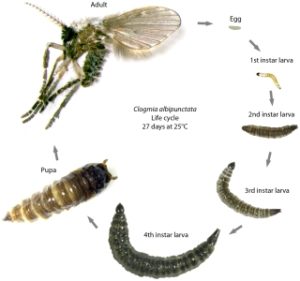
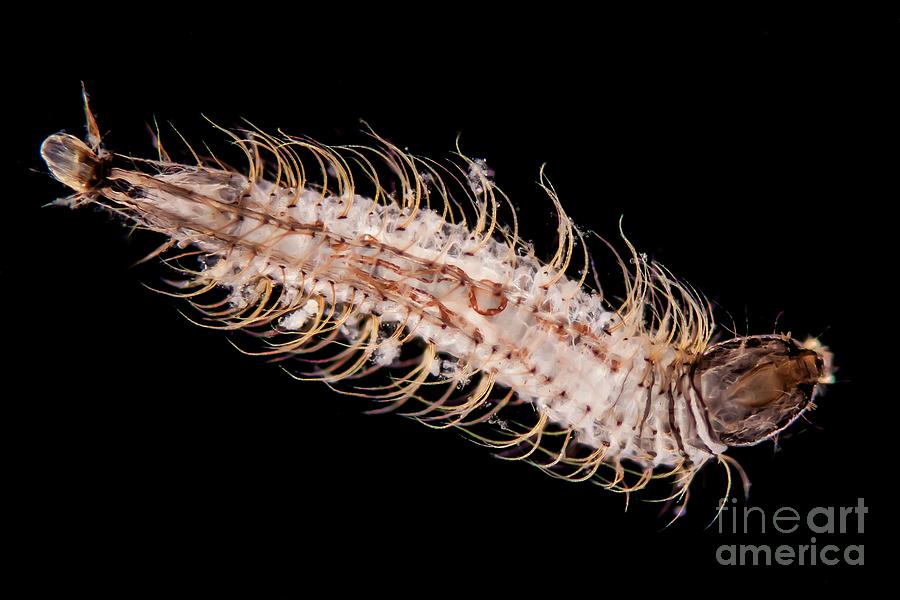
The eggs hatch into larvae, which feed on the organic matter and develop into pupae and, eventually, adult flies." Drain flies have small, round, fuzzy bodies measuring about 1.5 mm to 5 mm long. about drain flies, including what they look like, where they live, and how to get rid of them. Here's how you can easily get rid of drain fly larvae in your toilets and drains despite how difficult stubborn they are.
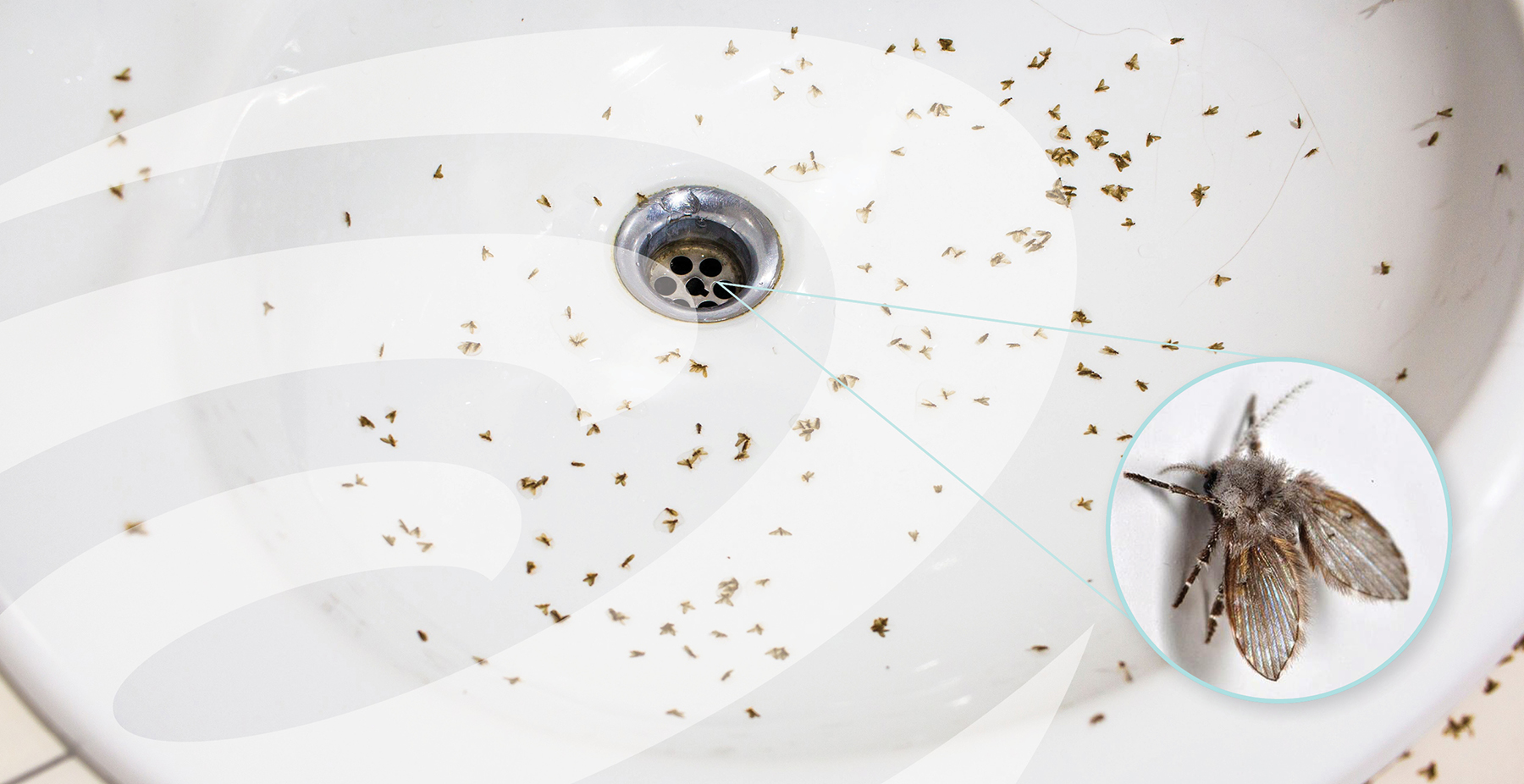
How To Get Rid Of Drain Fly Larvae
Learn about drain fly larva, including what they look like, where they develop, and how to get rid of them quickly and easily. Clean your drain manually with a pipe brush or drain snake. Removing the sludge inside your drain and pipes takes away the drain flies' food source and prevents them from laying additional eggs.
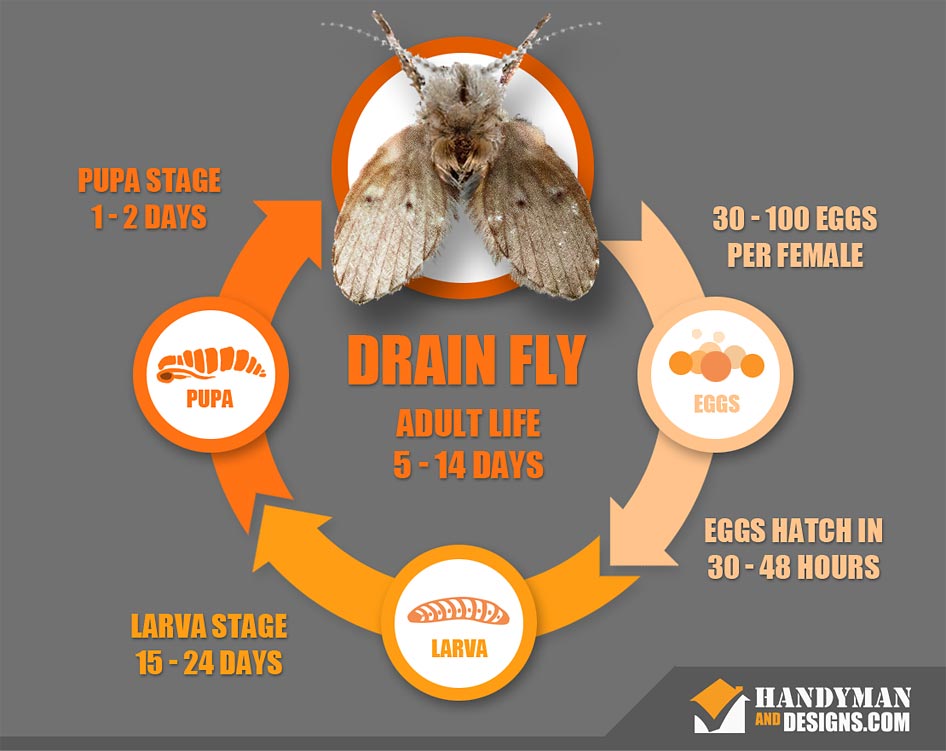
Run some warm water down the drain and then insert a pipe brush or snake as far as you can to dislodge eggs, larvae, and buildup. [1] The longer and more flexible your pipe brush, the better! If you. Introduction Drain fly larvae, often referred to as "septic tank worms," are a common nuisance in households with septic systems.
How To Get Rid Of Drain Fly Larvae
These tiny, winged insects are not just an annoyance; their presence can indicate underlying issues with your plumbing and waste management systems. Understanding the lifecycle of drain flies, their larvae, and the conditions that foster their growth is. Learn how to identify, treat, and prevent drain fly infestations with expert tips and easy solutions to keep your sinks clean and pest.
:max_bytes(150000):strip_icc()/Getting-rid-of-drain-flies-2656670-V1-1340ca9ec3a743cb95a366862a9961c1.png)
Drain flies breed in polluted, shallow water or highly moist organic solids. You will find the eggs, larvae and pupae in the muck, slime, or gelatinous film often accumulating on the sides of drains (Figure 3) and condensate pipes for air conditioners (Figure 4), in the sewage filtration tanks, septic tanks and moist compost. Other breeding sites include dirty garbage containers, rain barrels.
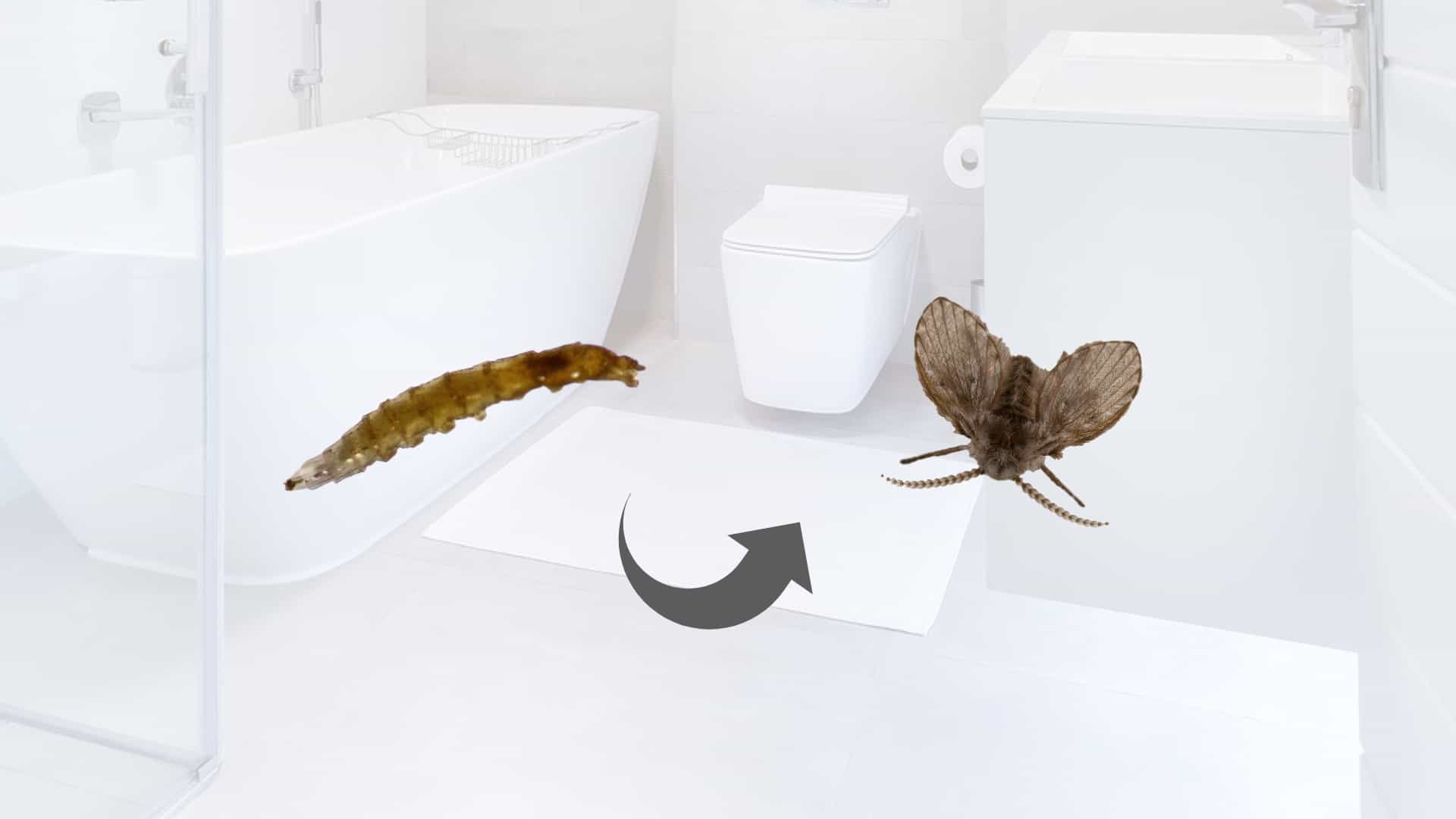
Drain Fly Larvae In Toilet
Drain fly larvae are difficult to drown because they are able to trap air bubbles and remain submerged for a day or more. Do not pour insecticides down drains to kill drain flies.