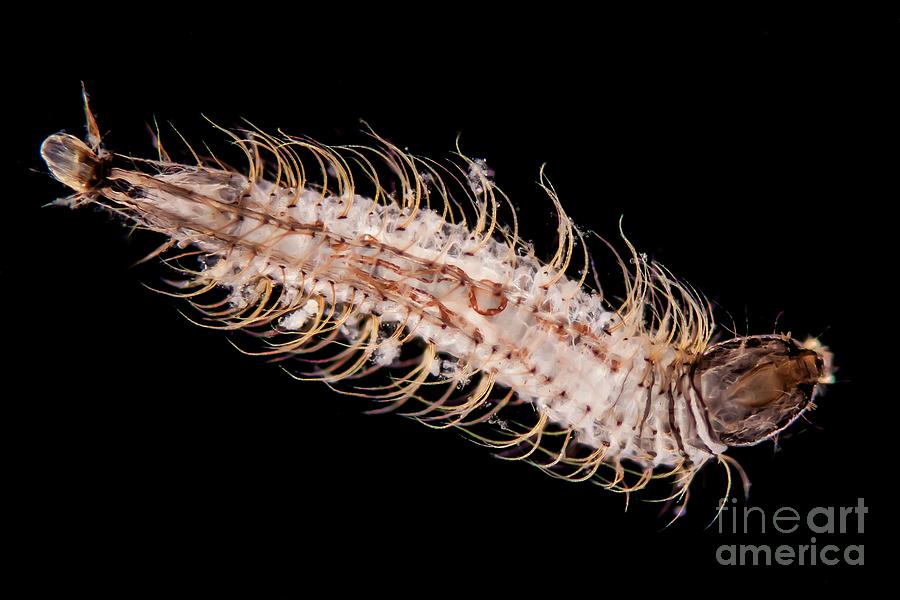
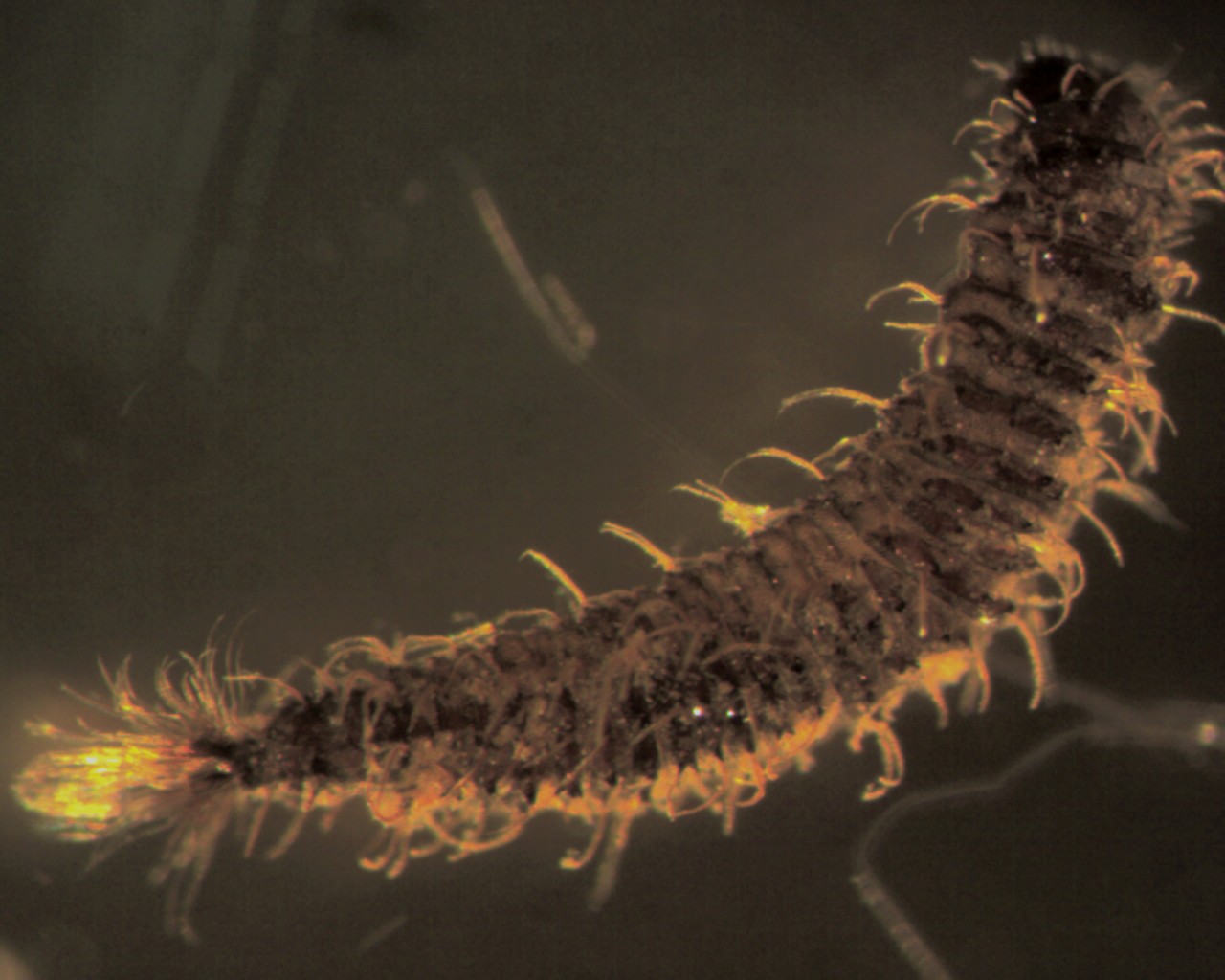
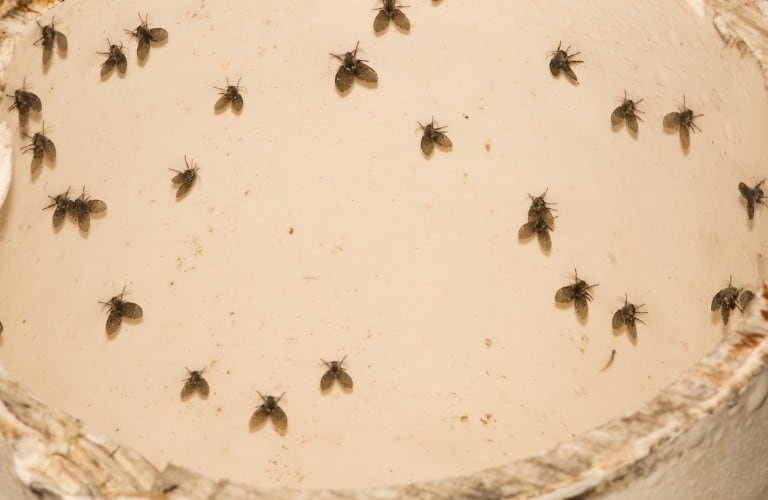
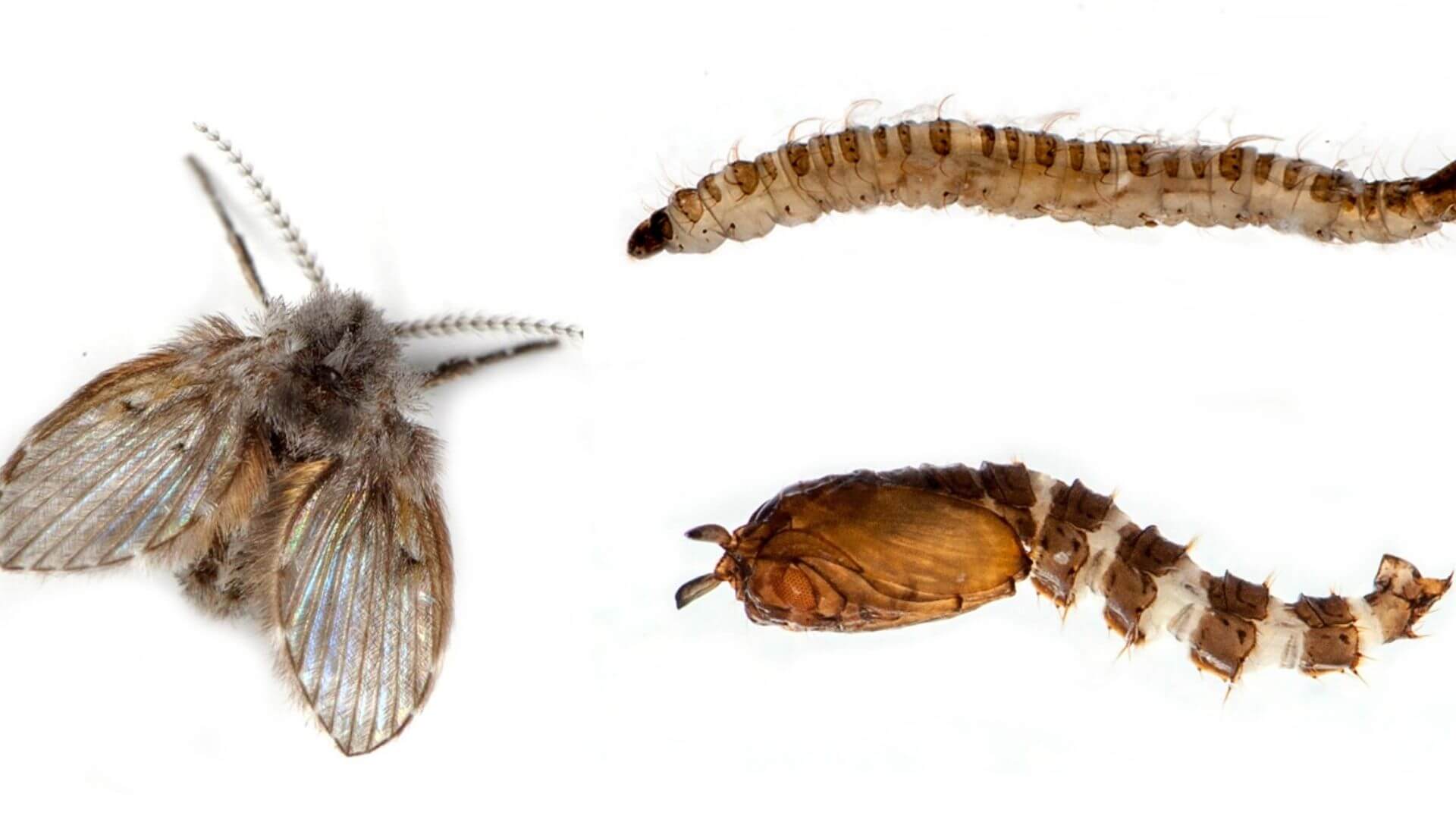
What Do Drain Fly Larvae Look? Drain fly larvae are the baby versions of normal drain fly. Unlike drain flies though, they don't look like flies at all. Drain fly larvae, or drain worms tend to be 4 to 10mm in length.
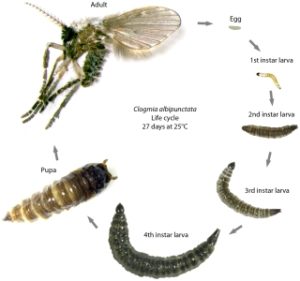
As they mature they become more slender with a dark stripe on their dorsal area. Learn about drain fly larva, including what they look like, where they develop, and how to get rid of them quickly and easily. Drain flies (Psychodidae family) are tiny flies that feed on sludge and stagnant water.
:max_bytes(150000):strip_icc()/Getting-rid-of-drain-flies-2656670-V1-1340ca9ec3a743cb95a366862a9961c1.png)
Psychodidae Larvae
To get rid of them, find the source and clean it up. While generally harmless, drain flies can be a nuisance. Here is a guide on how to get rid of drain flies using natural remedies.
There are many easy ways to kill drain flies and prevent new ones from moving in. We've put together a thorough guide to killing drain flies with natural DIY methods and chemical cleaners, preventing new infestations, and important things to know about these fuzzy little nuisances. Read on to learn all about how to get rid of drain flies.
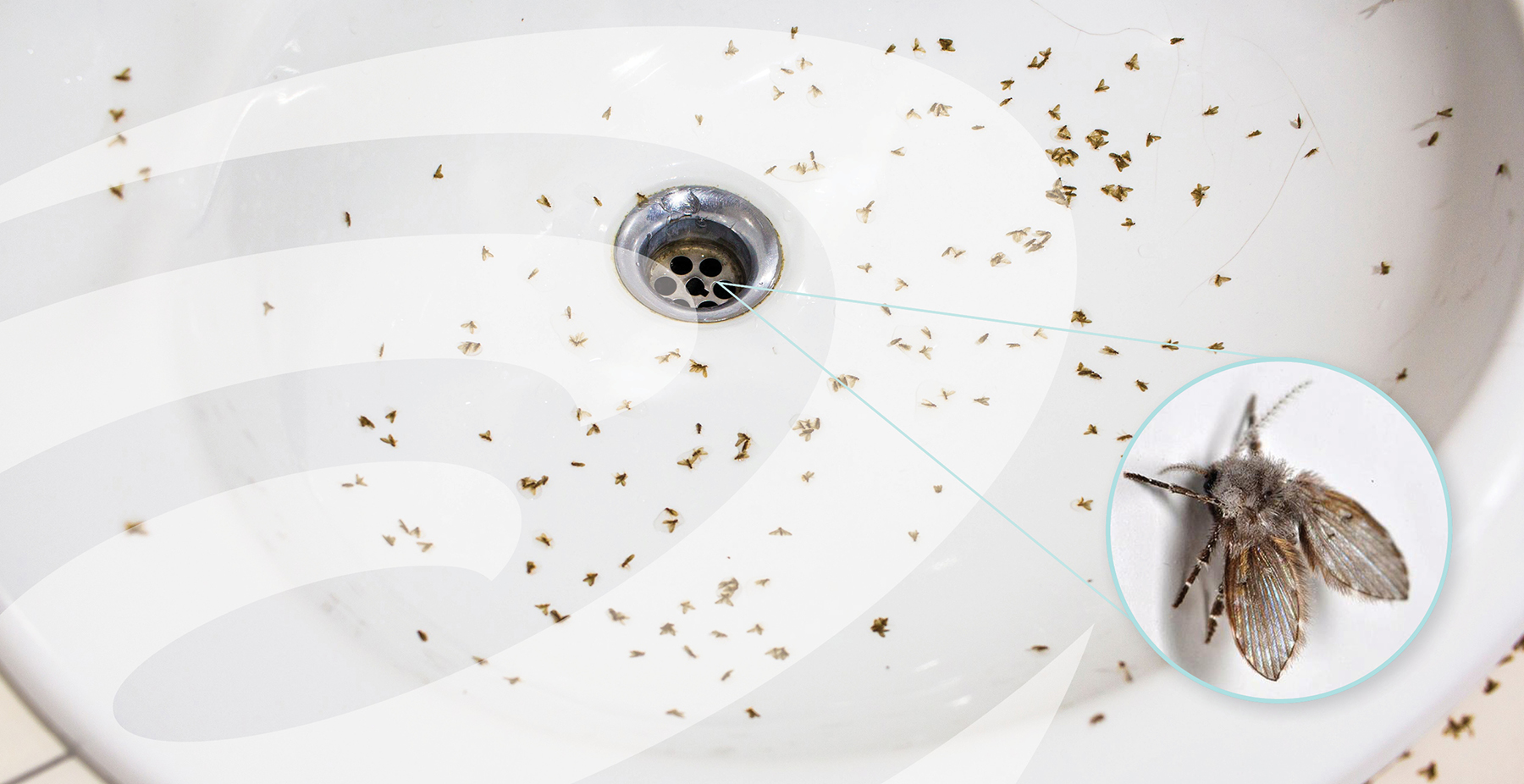
How To Get Rid Of Drain Flies At Home
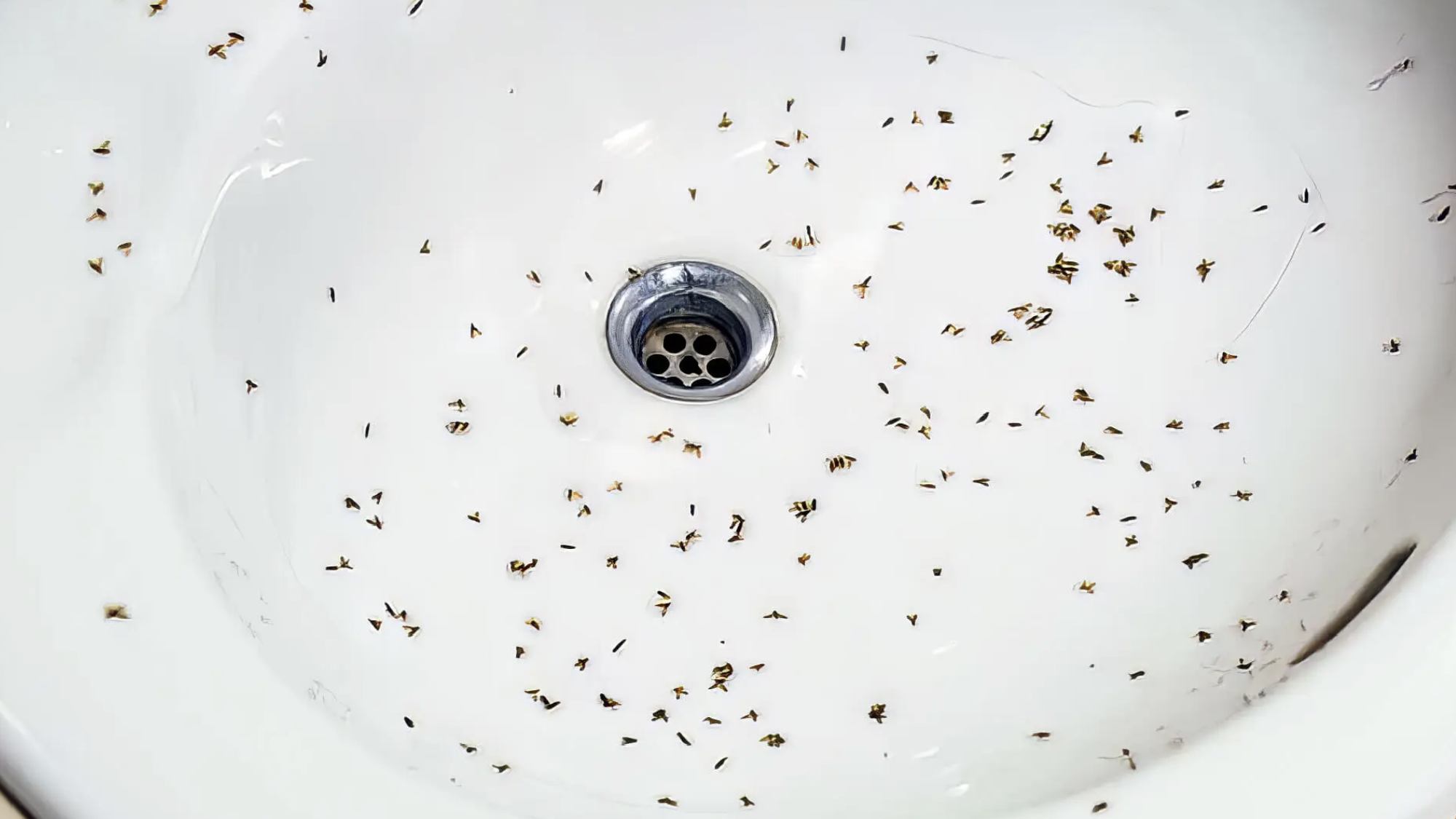
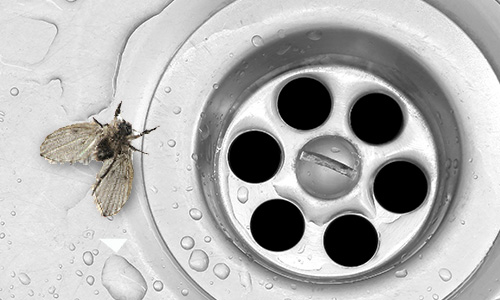
about drain flies, including what they look like, where they live, and how to get rid of them. Wondering about those moth-like flies hanging around your drains? Find out what attracts these pests and learn how to get rid of drain flies for good. Drain flies are attracted to moisture inside drains or sewers.
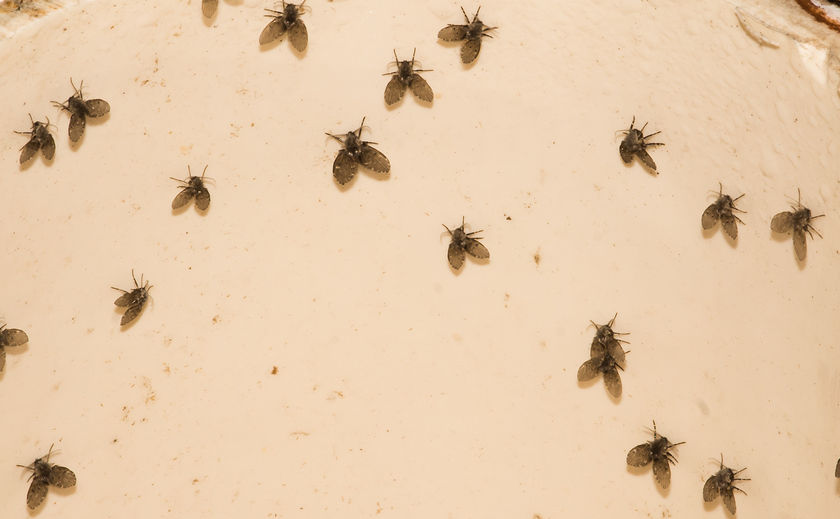
Before an infestation clogs your drains, call Orkin to remove & prevent drain fly infestations. Drain flies, while not harmful, are extremely annoying pests. Learn how to get rid of drain gnats with natural remedies that are simple and easy to use.
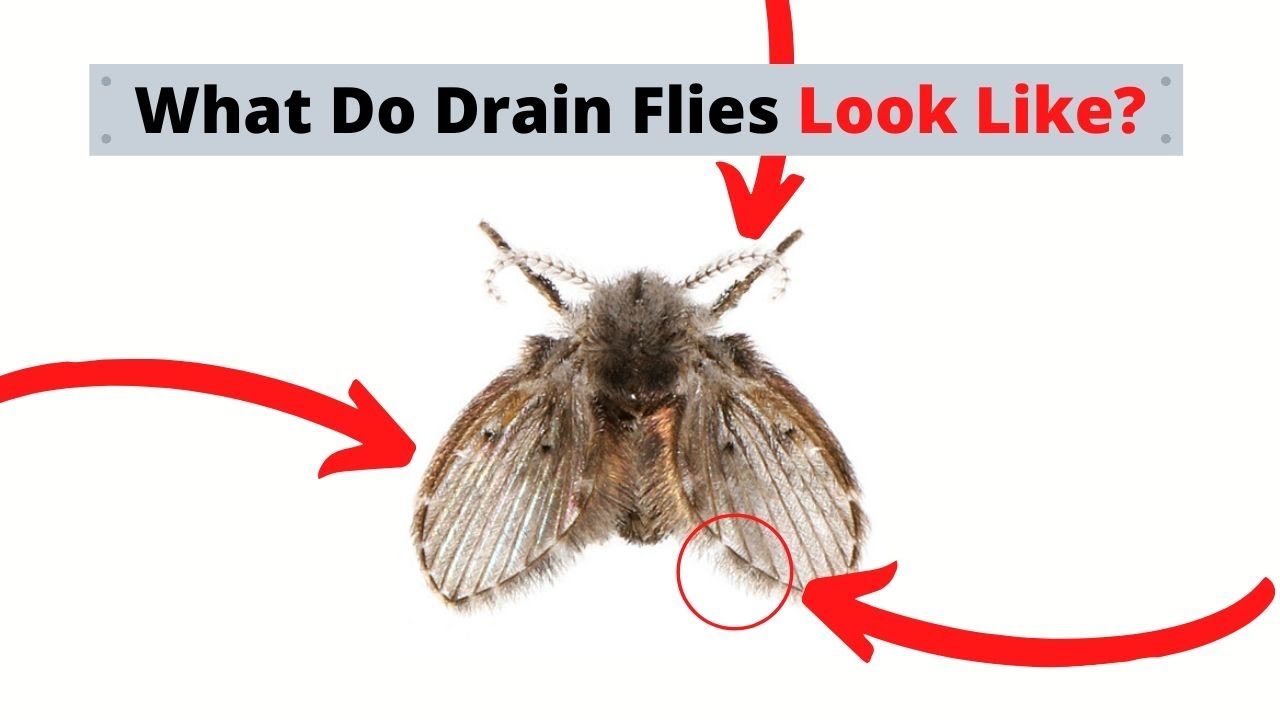
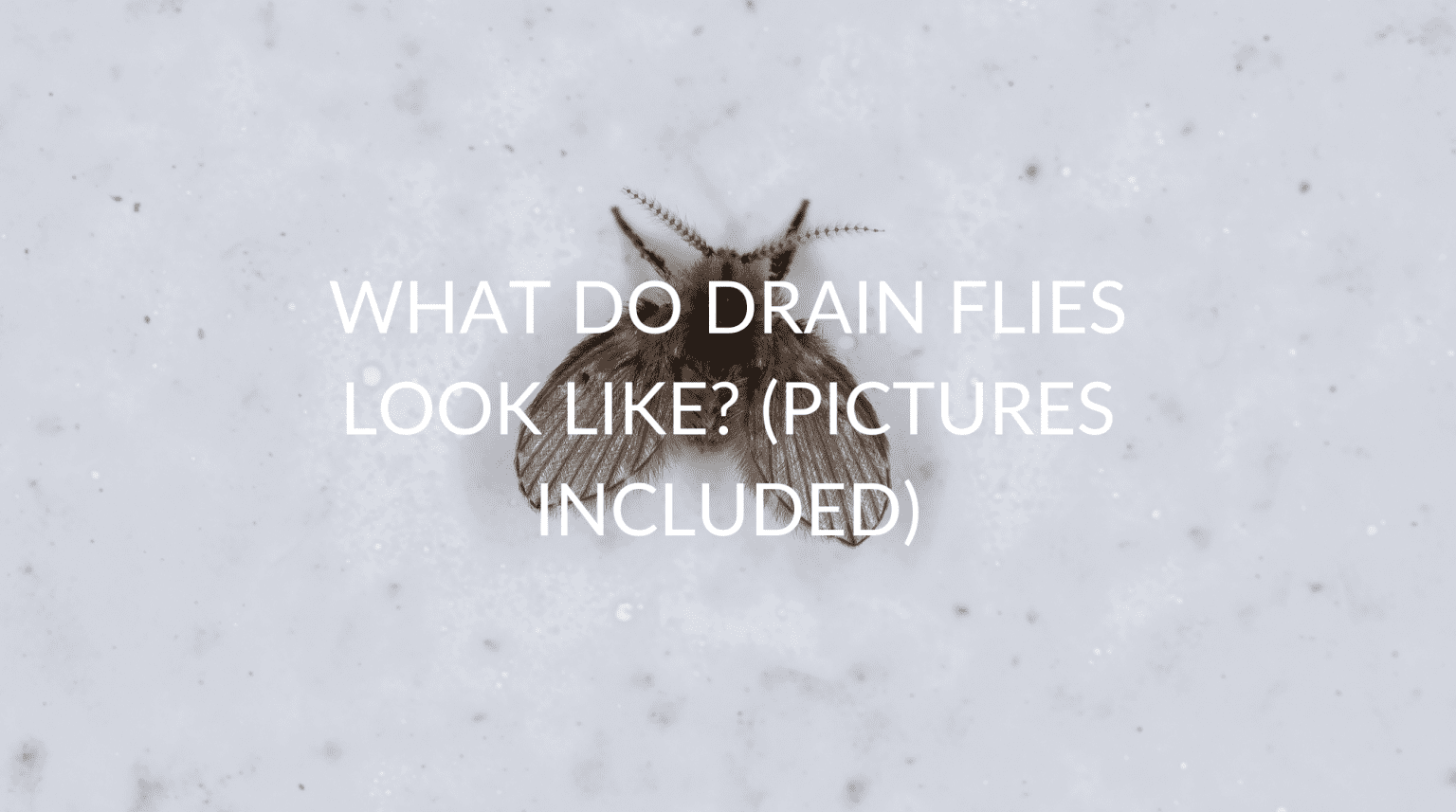
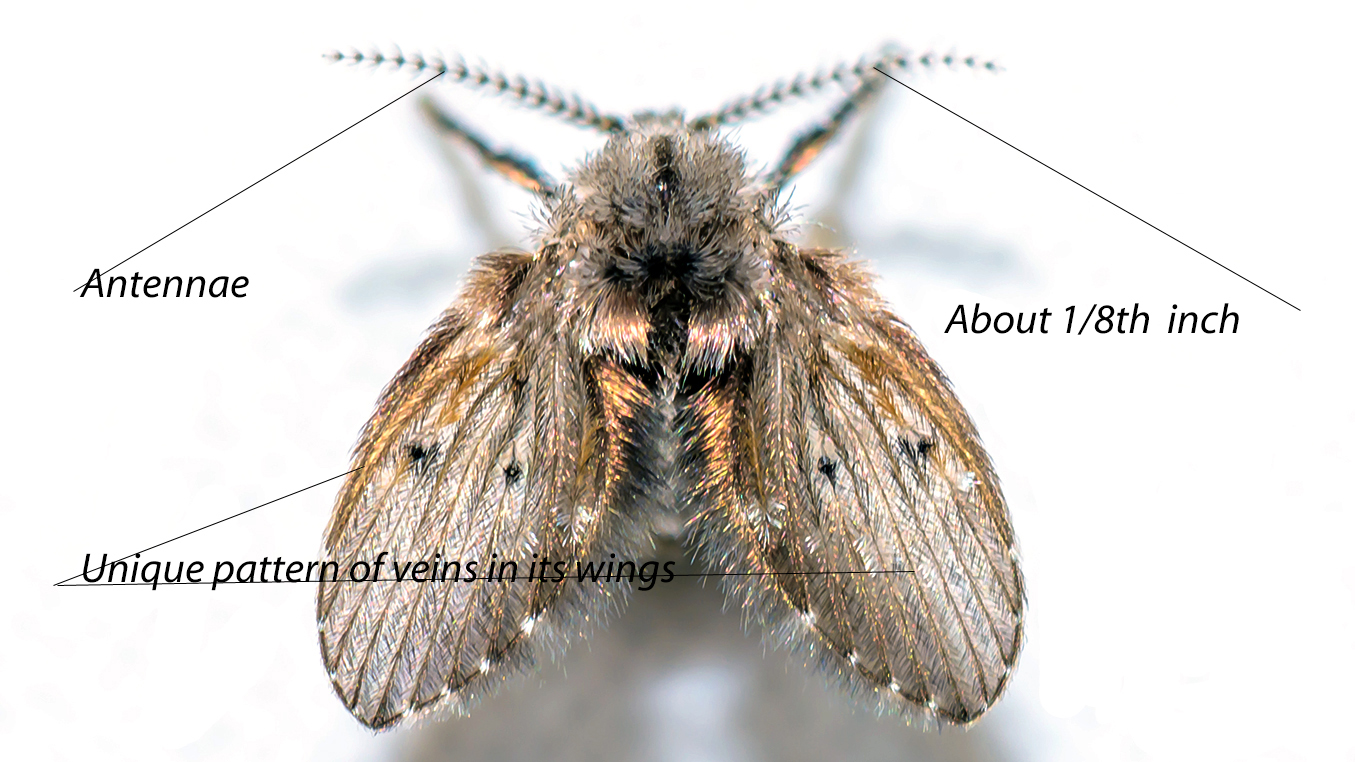
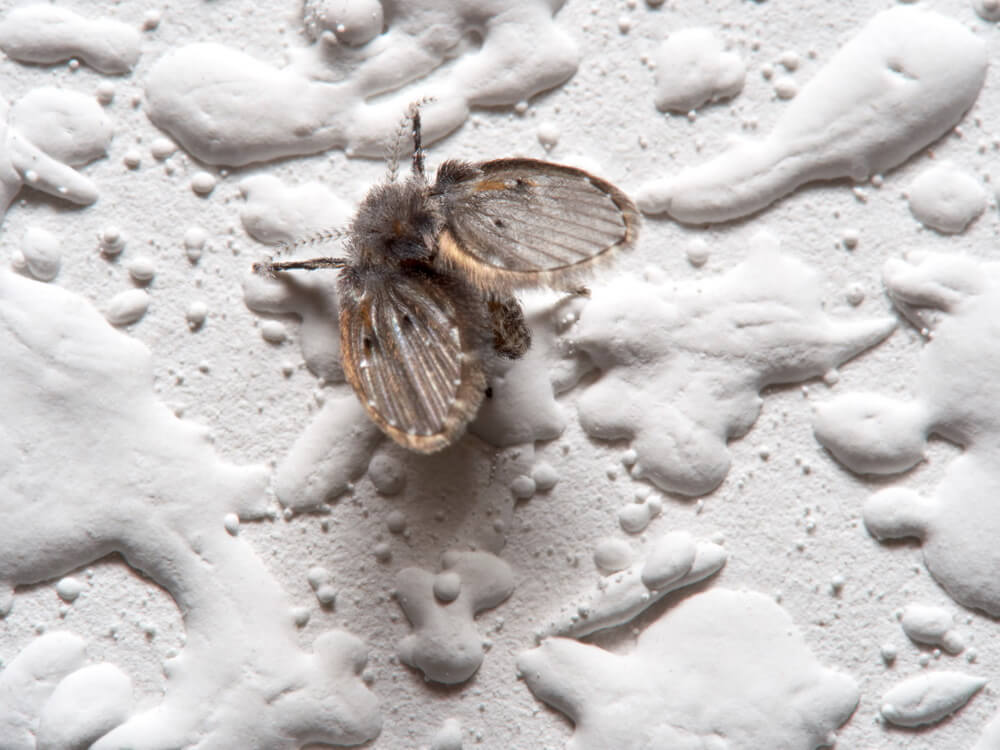
What Do Drain Flies Look Like? (Pictures Included) - Pest Prevention Patrol
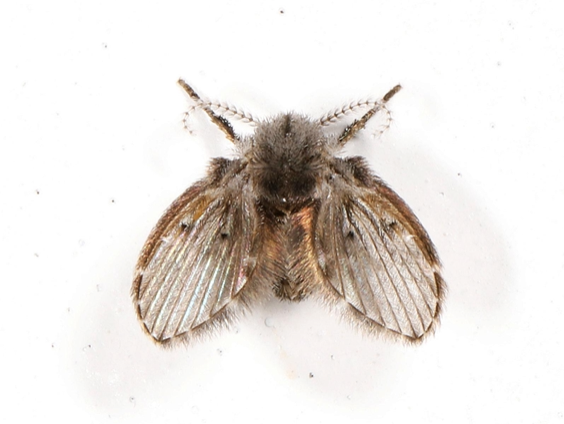
Drain flies, often recognized as moth flies or sewer gnats, are small, fuzzy insects commonly encountered in homes. These tiny pests measure about 1.5 to 5 millimeters in length and possess light gray or tan bodies with wings covered in fine hairs, giving them a distinctive moth-like appearance. Their presence indoors almost always signals an underlying issue: a nearby breeding ground where.