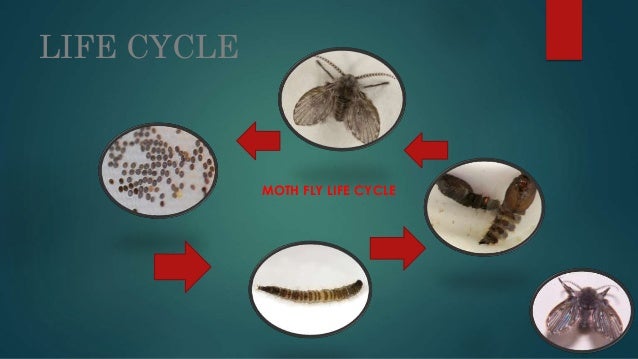
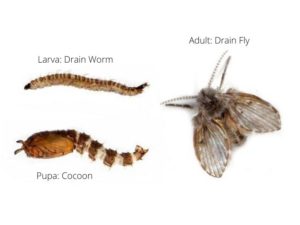
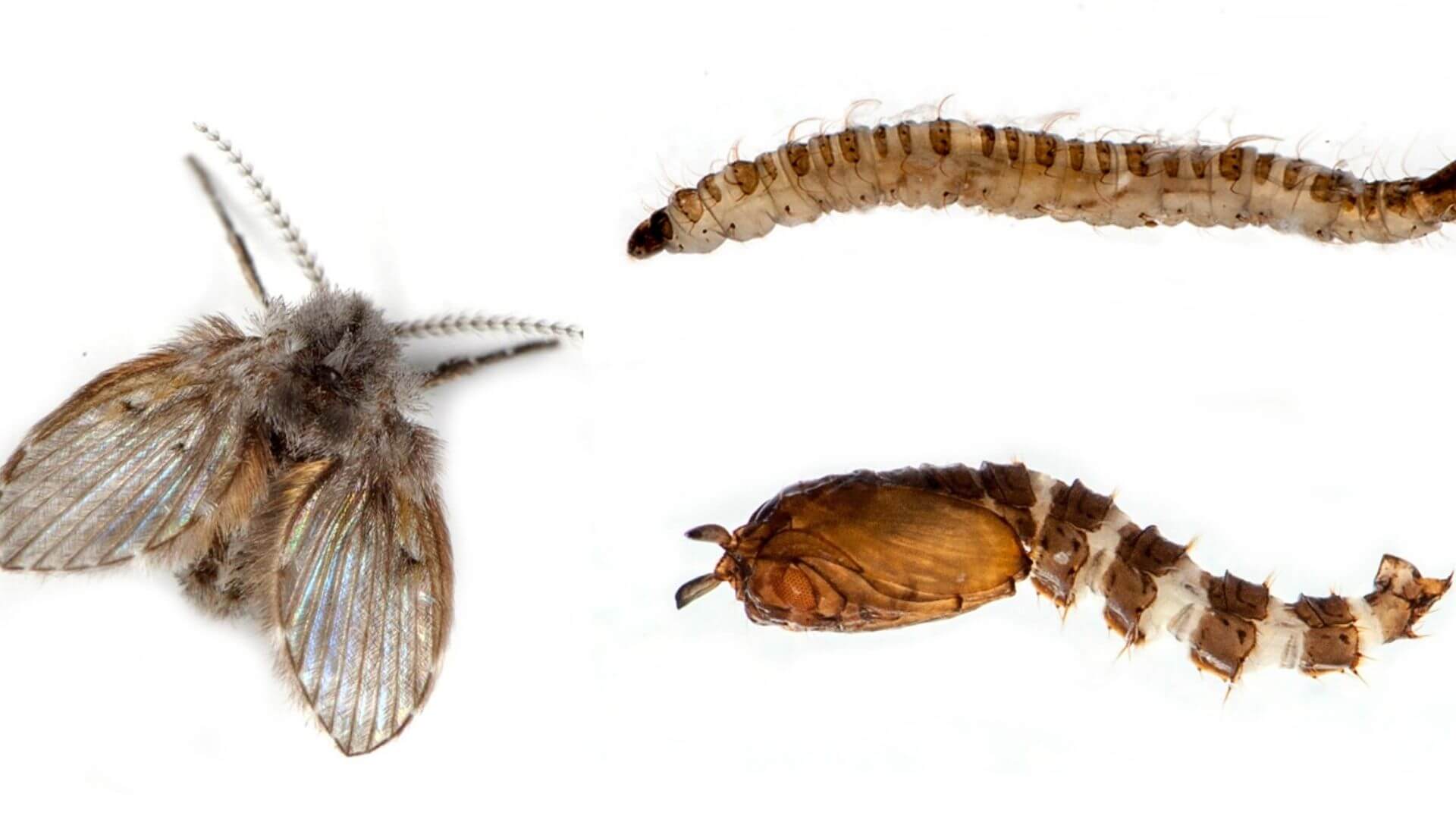
In this article, we are going to talk about the life cycle of one of the most unwanted insects, drain flies or also called as moth flies. They are. Understanding the Drain Fly Life Cycle The drain fly undergoes a complete metamorphosis, progressing through four distinct stages: egg, larva, pupa, and adult.
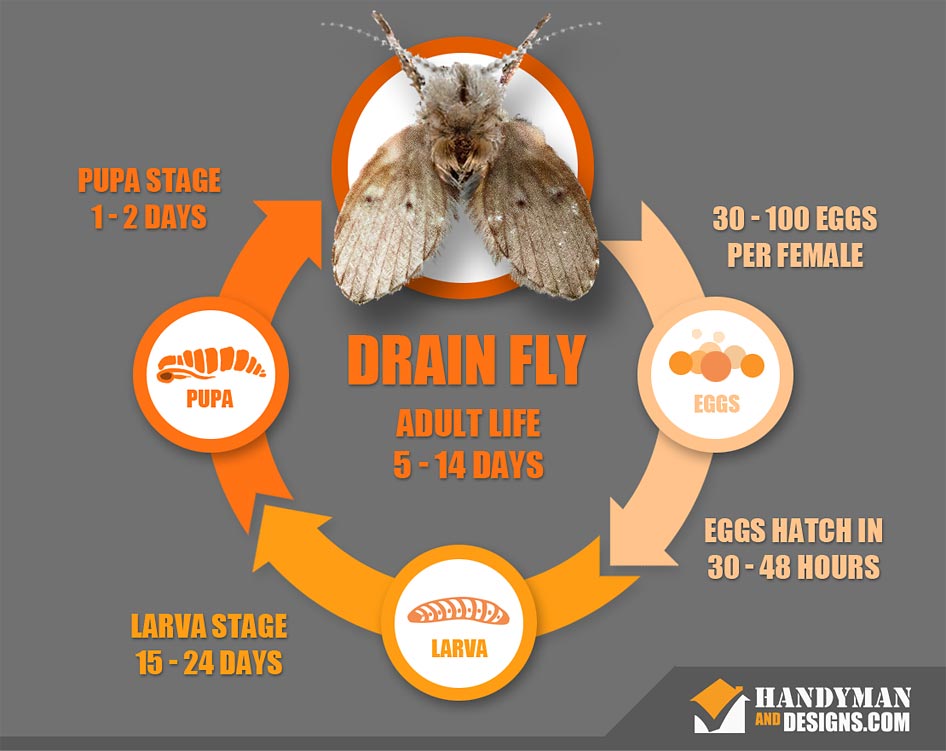
The entire life cycle, from egg to adult, typically completes within 7 to 28 days. This relatively short cycle allows for rapid population growth if conditions are favorable. Life Cycle and Habits Drain flies breed in polluted, shallow water or highly moist organic solids.
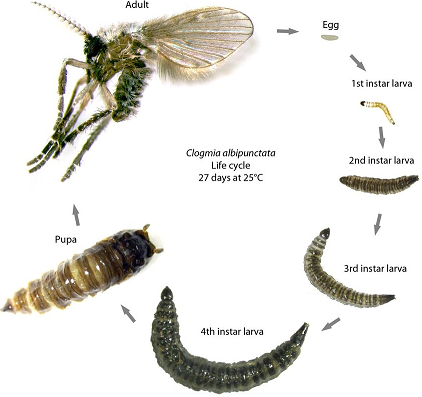
Drain Fly Larvae Life Cycle - Best Drain Photos Primagem.Org
You will find the eggs, larvae and pupae in the muck, slime, or gelatinous film often accumulating on the sides of drains (Figure 3) and condensate pipes for air conditioners (Figure 4), in the sewage filtration tanks, septic tanks and moist compost. The drain fly life cycle takes from about 10 to 15 days at about 70° F. Groups of eggs are laid on gelatinous films of organic matter.
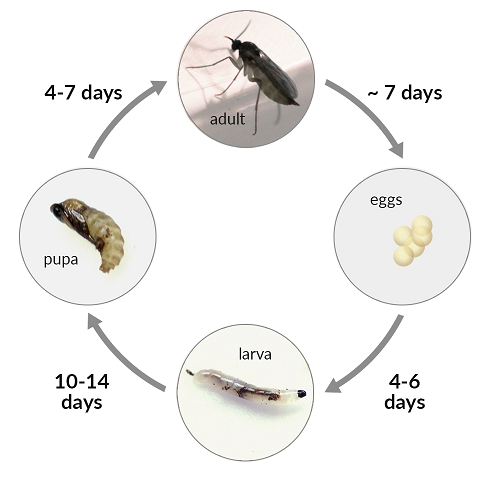
The larvae can develop in water or thin surface films. Drain flies are holometabolous insects, going through egg, larval, pupal, and adult life stages. Typically, drain flies complete their life cycle in 21 to 27 days (El Bardicy et al.

Drain Fly Control & Drain Moth Control - Budget Pest Control
2009), but this accelerates at higher temperatures (85°F, 29.5°C) (Fair 1934). What is life like for a drain fly? Let's find out. Read on to learn the complete life cycle of drain flies, and more! Scientific Name Psychoda sp.

Habitat Breeds in sewage filter plants and is often called a drain fly. It also breeds in moist areas in the house such as clogged overflow pipes of sinks and tubs, hence the name drain fly. Life Cycle Drain flies reproduce in polluted, shallow water or highly moist organic solids.

Fruit Flies, Gnats or Drain Flies - Pronto Pest Management
The eggs, larvae and pupae can be found in the slime, or gelatinous film. Life History Drain flies have a complete life cycle consisting of egg, larval, pupal, and adult stages. They breed in the sludgy biofilm and standing water in drains, filters, and sewers.
In the house, adult drain flies lay their eggs in the gelatinous, sludgy organic material that accumulates on the sides of drains and overflow pipes. Knowing the life cycle helps you fight fly infestations. Life Cycle: Adult females lay 30-100 eggs in sludge around sewage and drainage areas.
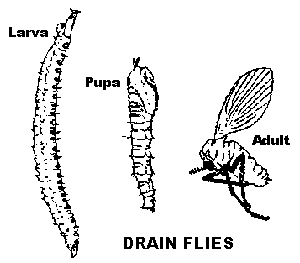
Eggs hatch in 32-48 hours, larval stage lasts 8-24 days, pupal stage 20-40 hours. Adults live about two weeks. Preferred Food Sources: Larvae feed on algae, bacteria, fungi and microscopic animals.
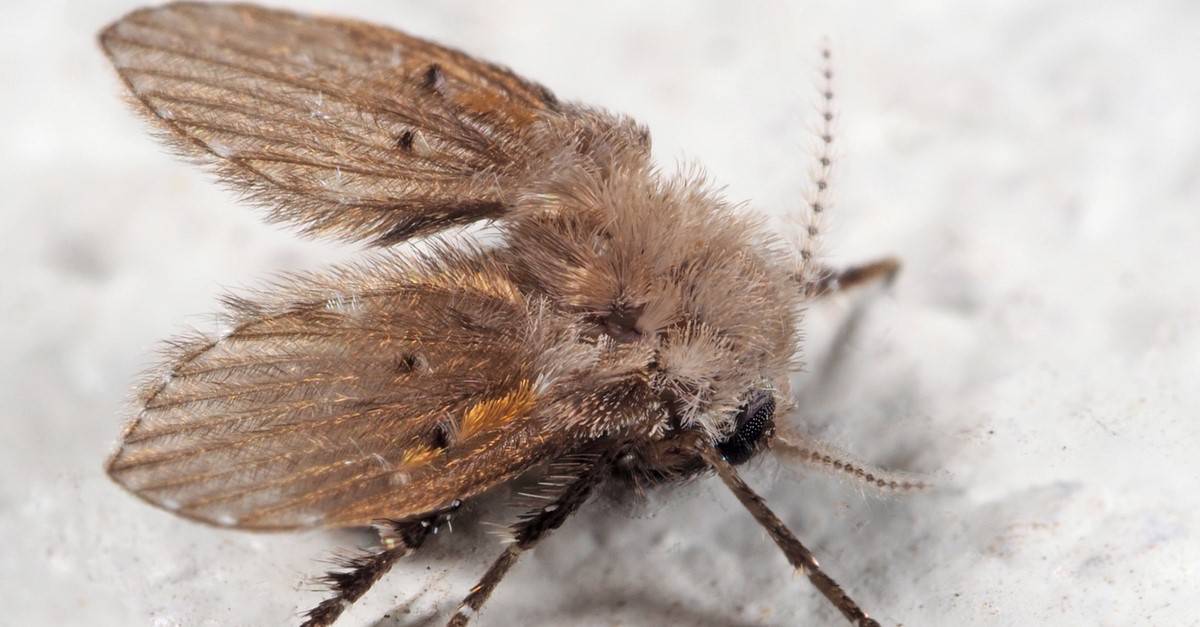
In an urban environment, moth fly development often occurs in the slimy organic matter coating sink or shower drains, giving these flies an alternate common name "drain flies" used by many pest management professionals.