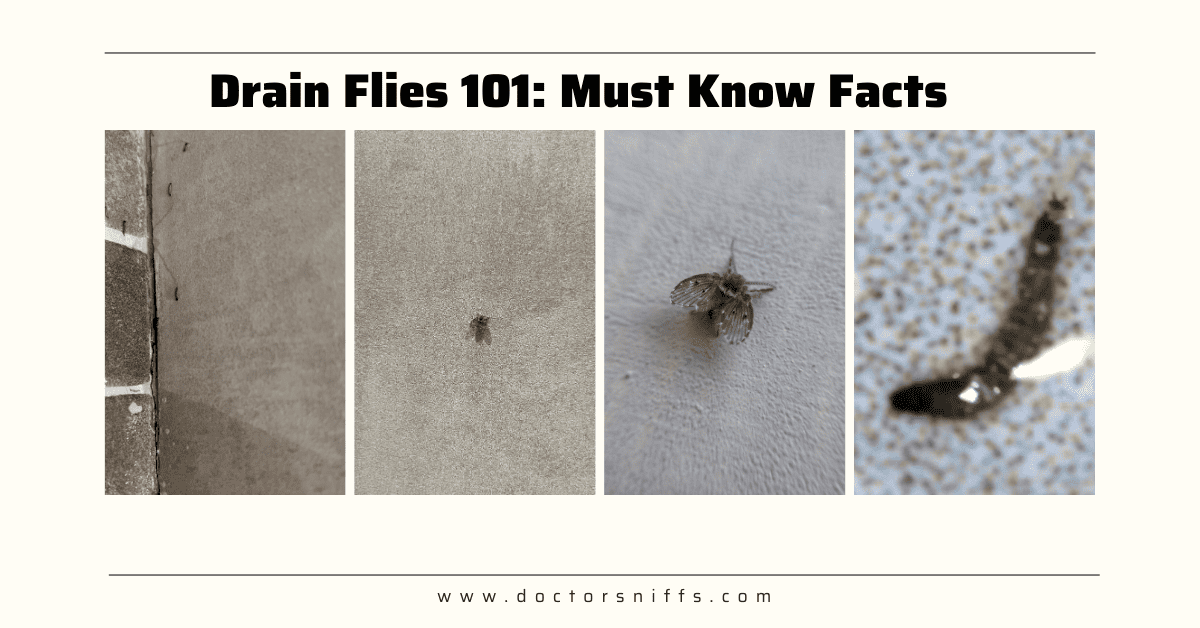
Psychodidae, also called drain flies, sink flies, filter flies, [2] sewer flies, or sewer gnats, is a family of true flies. Some genera have short, hairy bodies and wings, giving them a "furry" moth-like appearance, hence one of their common names, moth flies. [2] Members of the sub-family Phlebotominae, which are hematophagous (feed on blood), may be called sand flies in some countries.
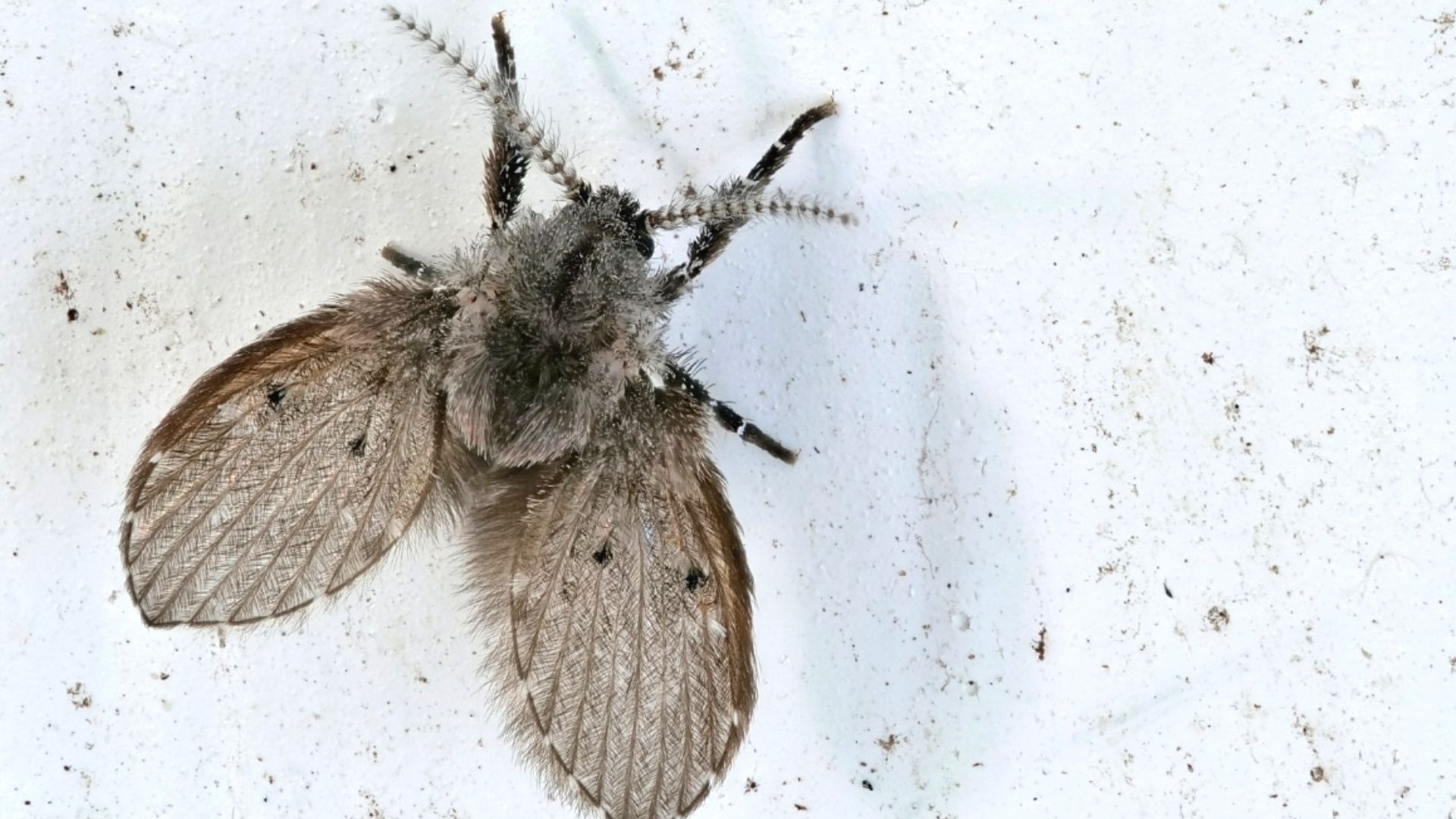
Common drain fly, Clogmia albipunctata. (Photo by Sanjay Acharya- Own work, CC BY-SA 3.0.) Clogmia albipunctata is a species of fly in the family Psychodidae (Diptera), with a worldwide distribution, and is commonly associated with human habitation. Other names for this insect include drain flies, sewer flies, filter flies or bathroom flies.
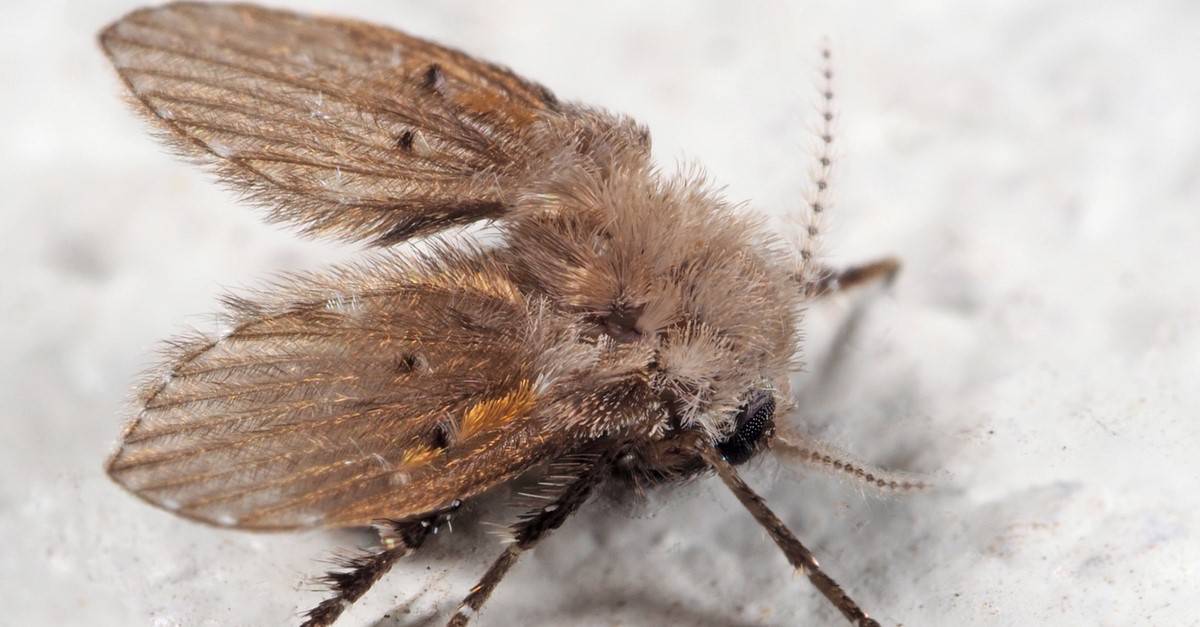
Drain fly - Alchetron, The Free Social Encyclopedia
about drain flies, including what they look like, where they live, and how to get rid of them. #4 Drain flies have a lot of relatives and a rich history They are part of the Psychodidae biological family - it includes more than two and a half thousands of species across the globe, most of which live in humid tropic. Their genealogy can be traced back to the Triassic geologic period, meaning that these flies are as old as dinosaurs.
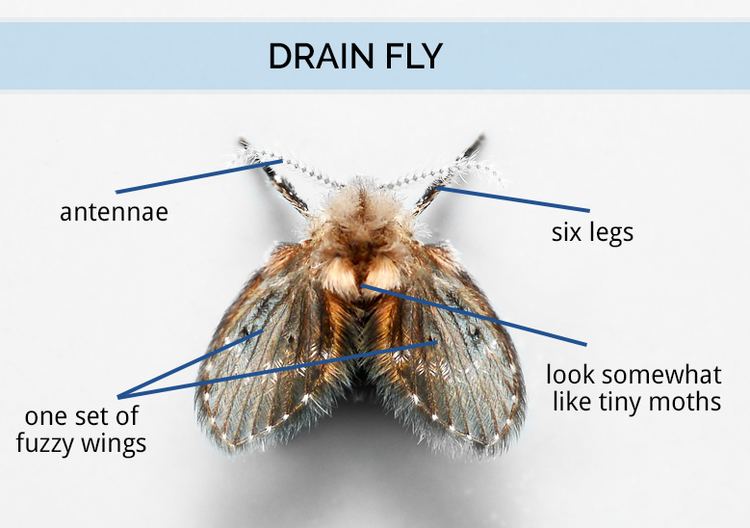
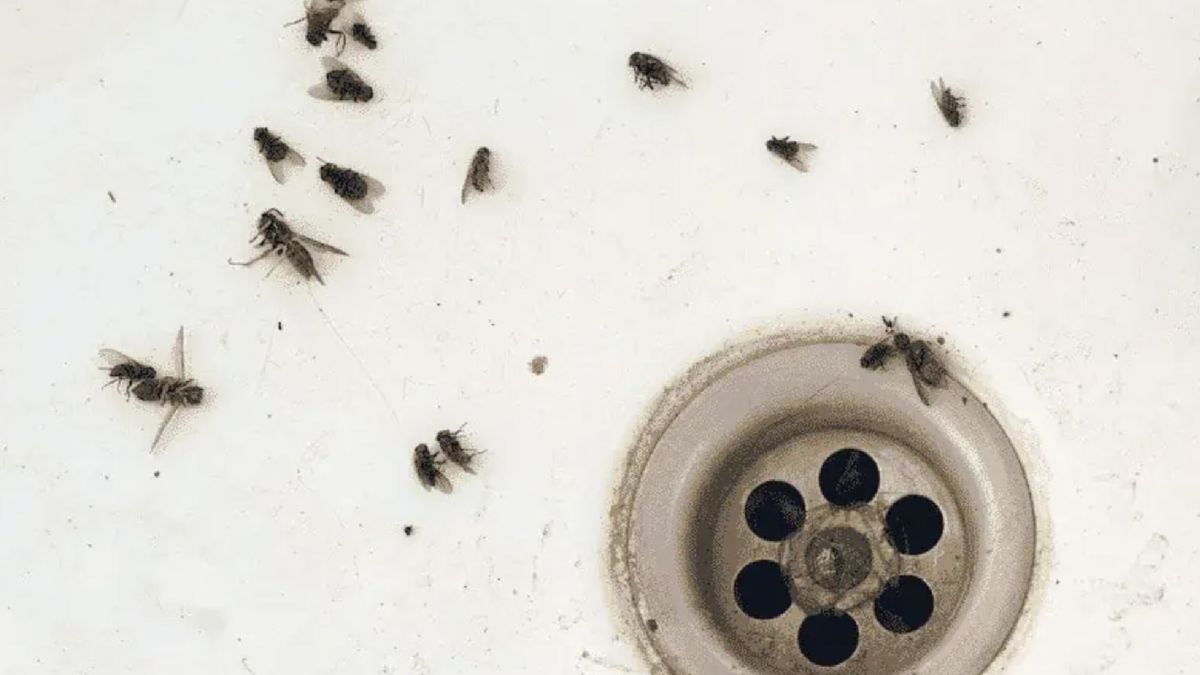
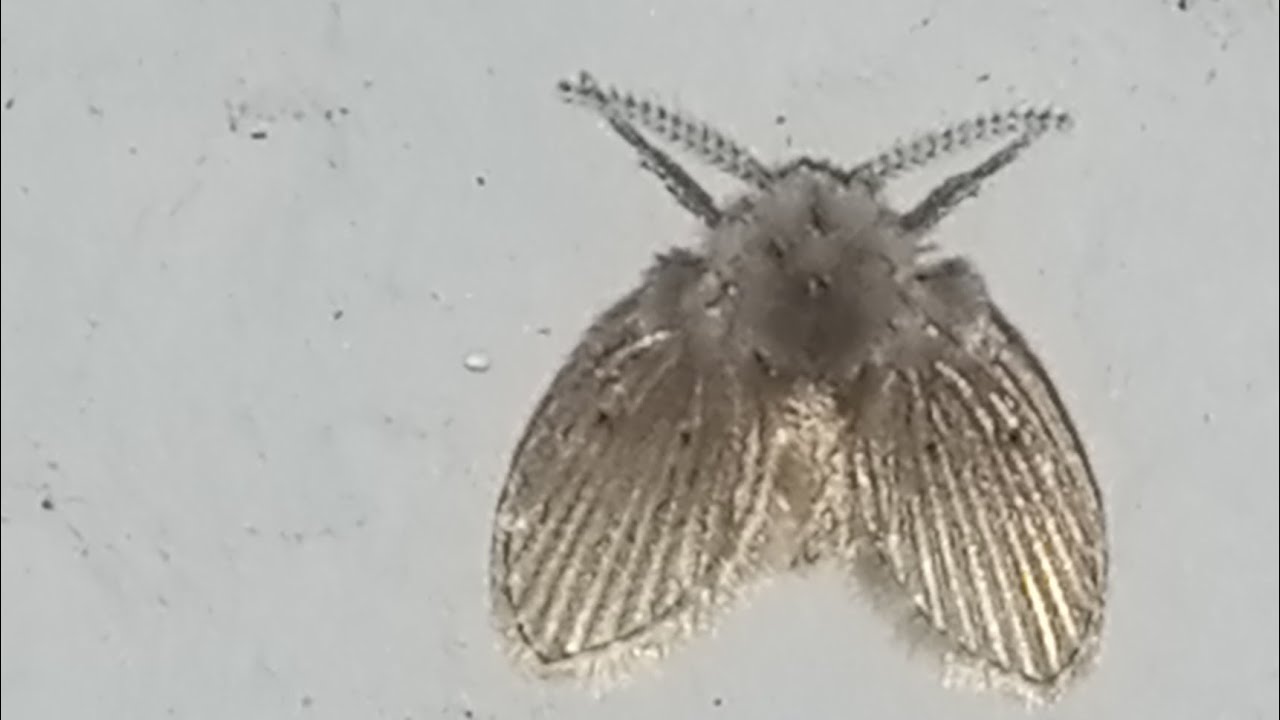
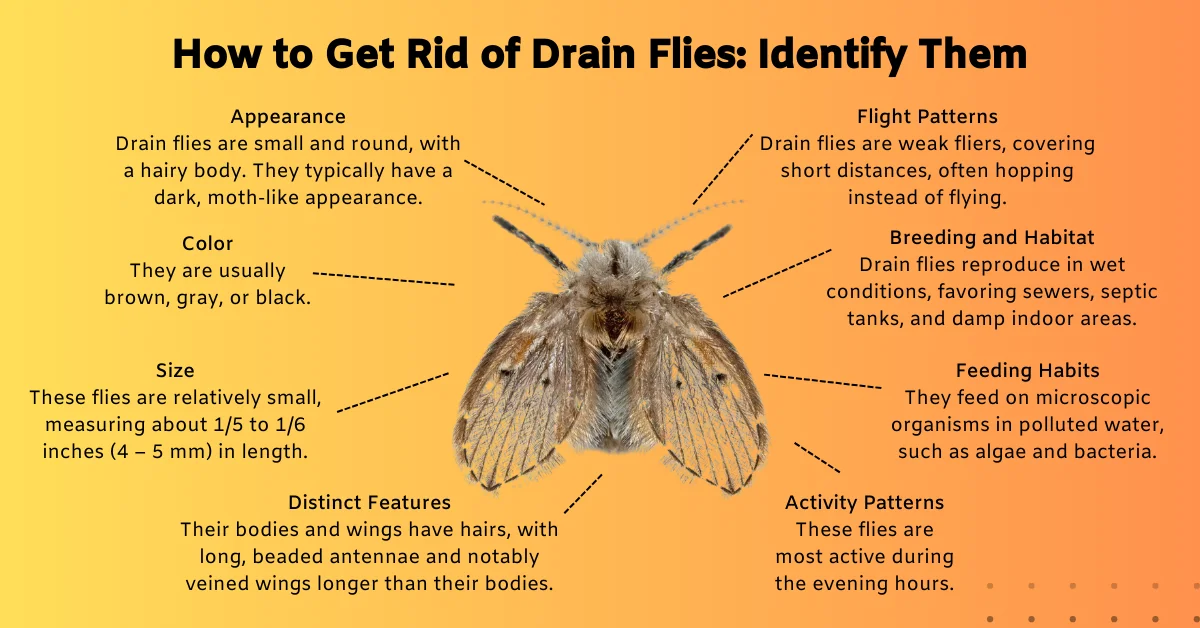
About drain flies Drain flies are found primarily in rooms or areas where there are drains - kitchens, bathrooms, and basements near floor drains, etc. Drain flies are small, 1/16 to 1/4 inch long, delicate, and fuzzy. They are pale brownish-gray to black.
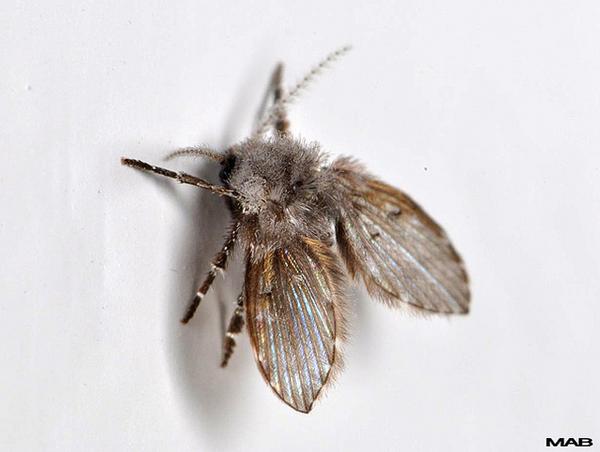
Drain Flies Uncovered: What Do They Look Like?
The larvae live in the gelatinous film or slime in drains and traps. They feed on algae, bacteria, and fungi in the slime. They may also.
Flies of the genus Psychoda are non-biting (Fair 1934) and are not capable of transmitting any known pathogens; however, large infestations of drain flies can cause respiratory problems due to the possibility of inhaling fine hair-like scales that can fall off their bodies and wings (Boumans et al. 2009). Figure 1.
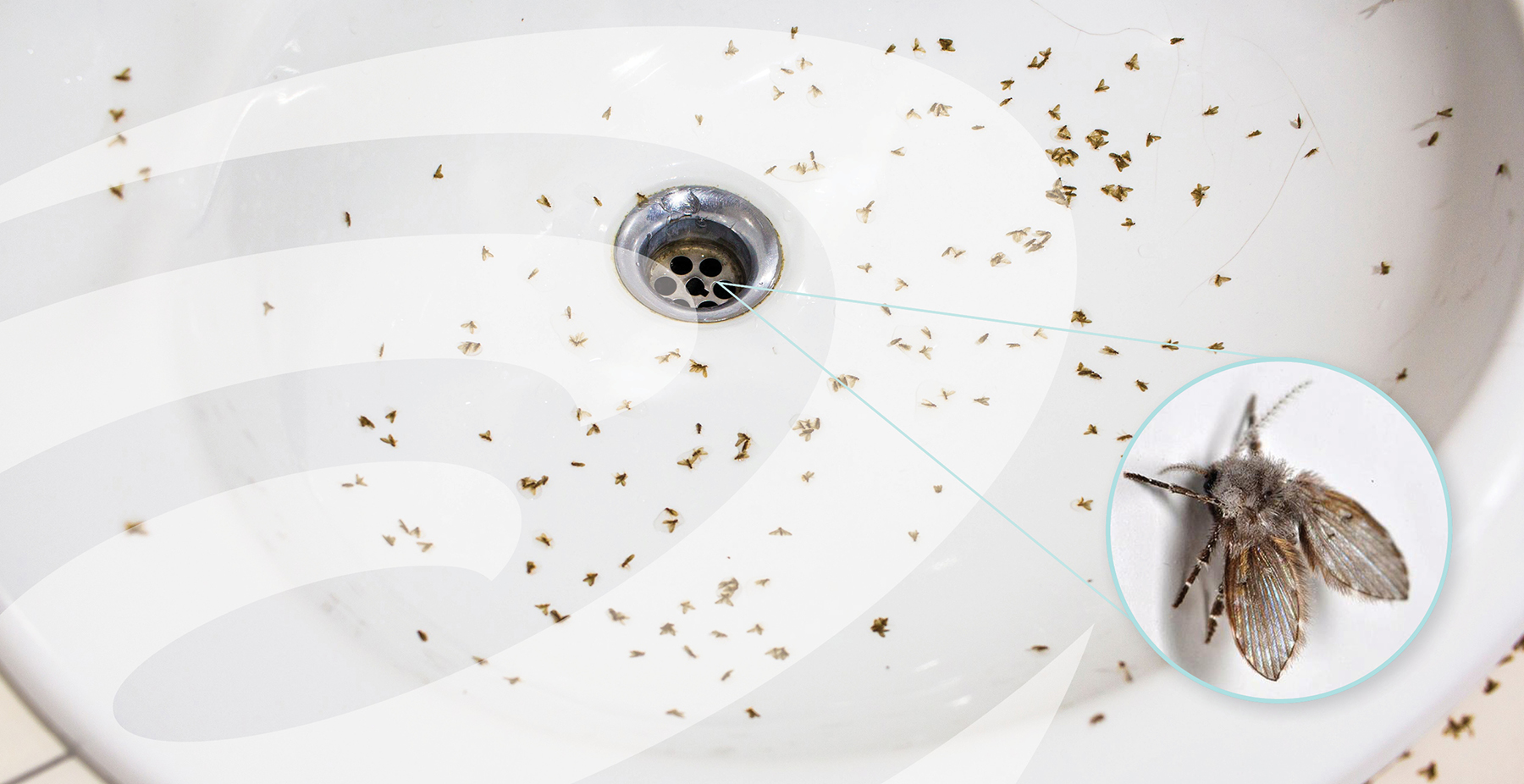
How to Get Rid of Drain Flies - Today! | Handyman And Designs
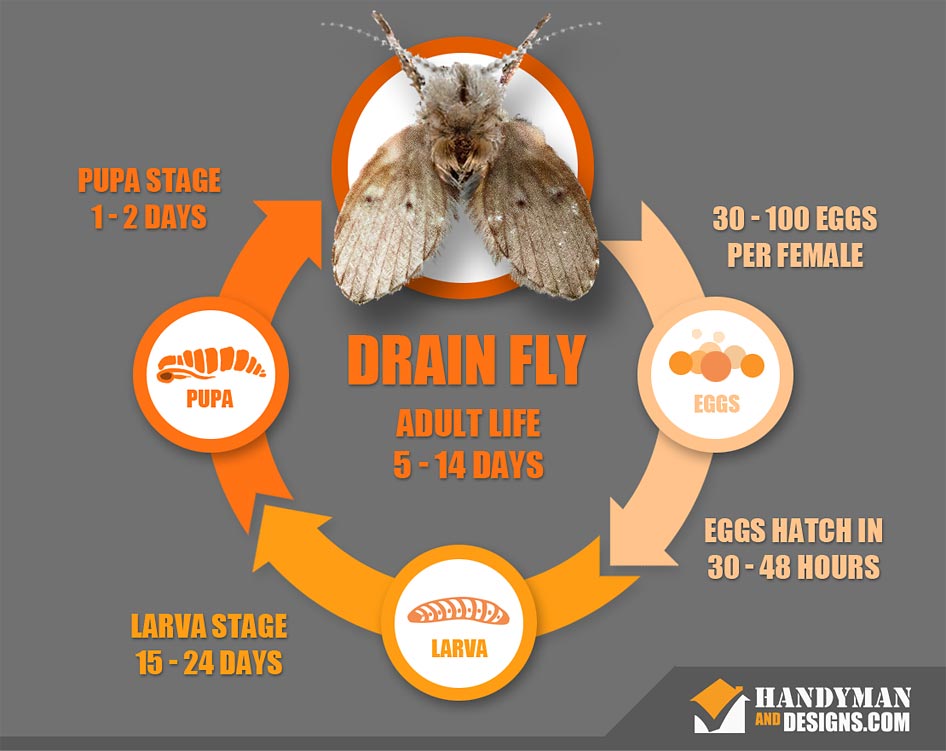
Adult drain fly, Psychoda sp. This Entomology Insect Note describes how to identify and control drain flies, a common nuisance in and around homes and commercial buildings. Life History Drain flies have a complete life cycle consisting of egg, larval, pupal, and adult stages.
They breed in the sludgy biofilm and standing water in drains, filters, and sewers. In the house, adult drain flies lay their eggs in the gelatinous, sludgy organic material that accumulates on the sides of drains and overflow pipes. Drain flies, sink flies, filter flies, or sewer gnats (Psychodidae) are small true flies (Diptera) with short, hairy bodies and wings giving them a "furry" moth-like appearance, hence one of their common names, moth flies.
There are more than 2,600 described species worldwide, most of them native to the humid tropics. This makes them one of the most diverse families of their order. Drain flies.
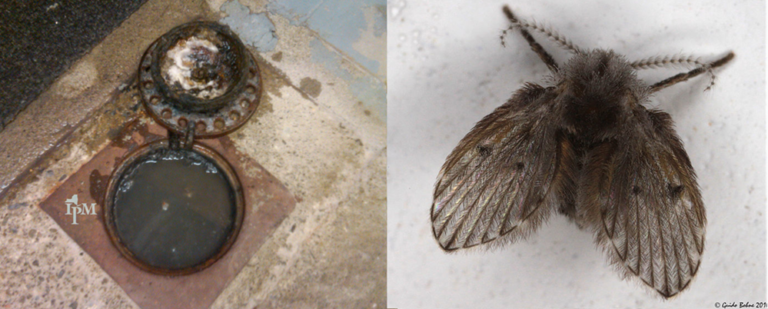
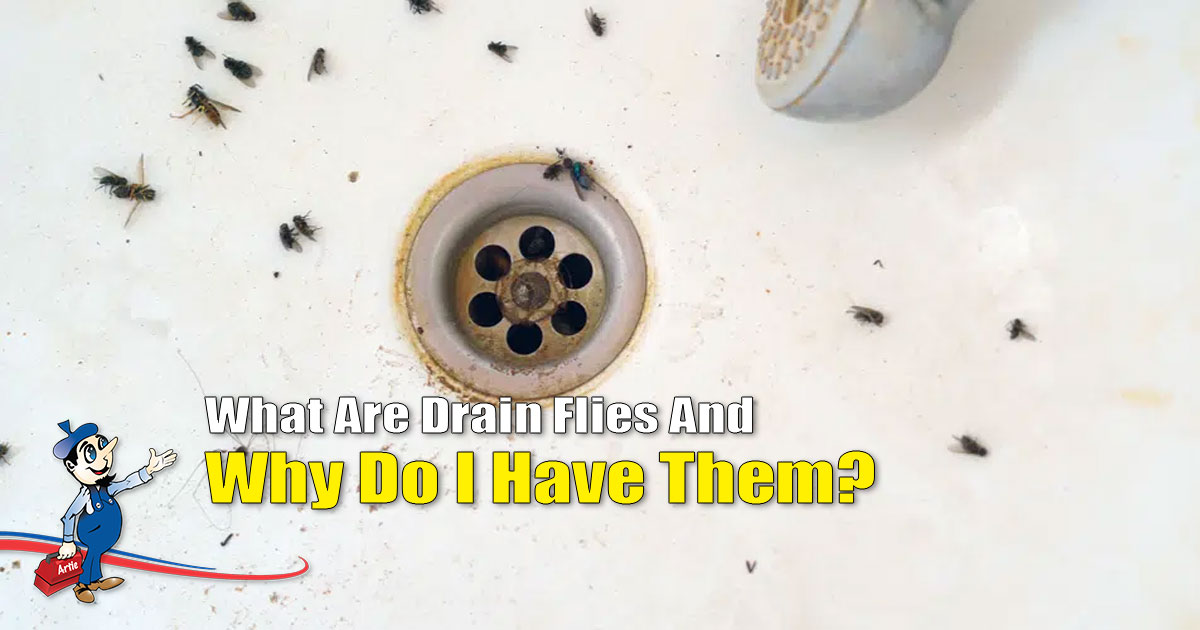
What Are They? Also Known as Moth Fly The common names drain fly, sewer fly or moth fly are used interchangeably for the organism scientifically named Psychoda alternata. These names refer to the preferred breeding ground of the insect as well as its appearance. Though they do not bite or otherwise physically harm humans or plants, these flies breed in the buildup of gelatinous material found.
:max_bytes(150000):strip_icc()/99285420-56a709a33df78cf77291a053.jpg)