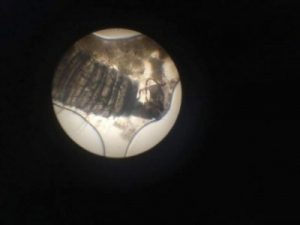
In this video, we take a look at Drain Fly Larvae under the microscope. My mom found the larvae in the shower. We also explore everything about drain flies! Short video footage of a drain fly larva under the microscope navigating through the sand.

It shows the movement and a close-up view of the head and mandibles. This was sampled from a shallow rainwater collection. Kingdom: Animalia Phylum: Arthropoda Class: Insecta Order: Diptera Family: Psychodidae This is my original video footage.
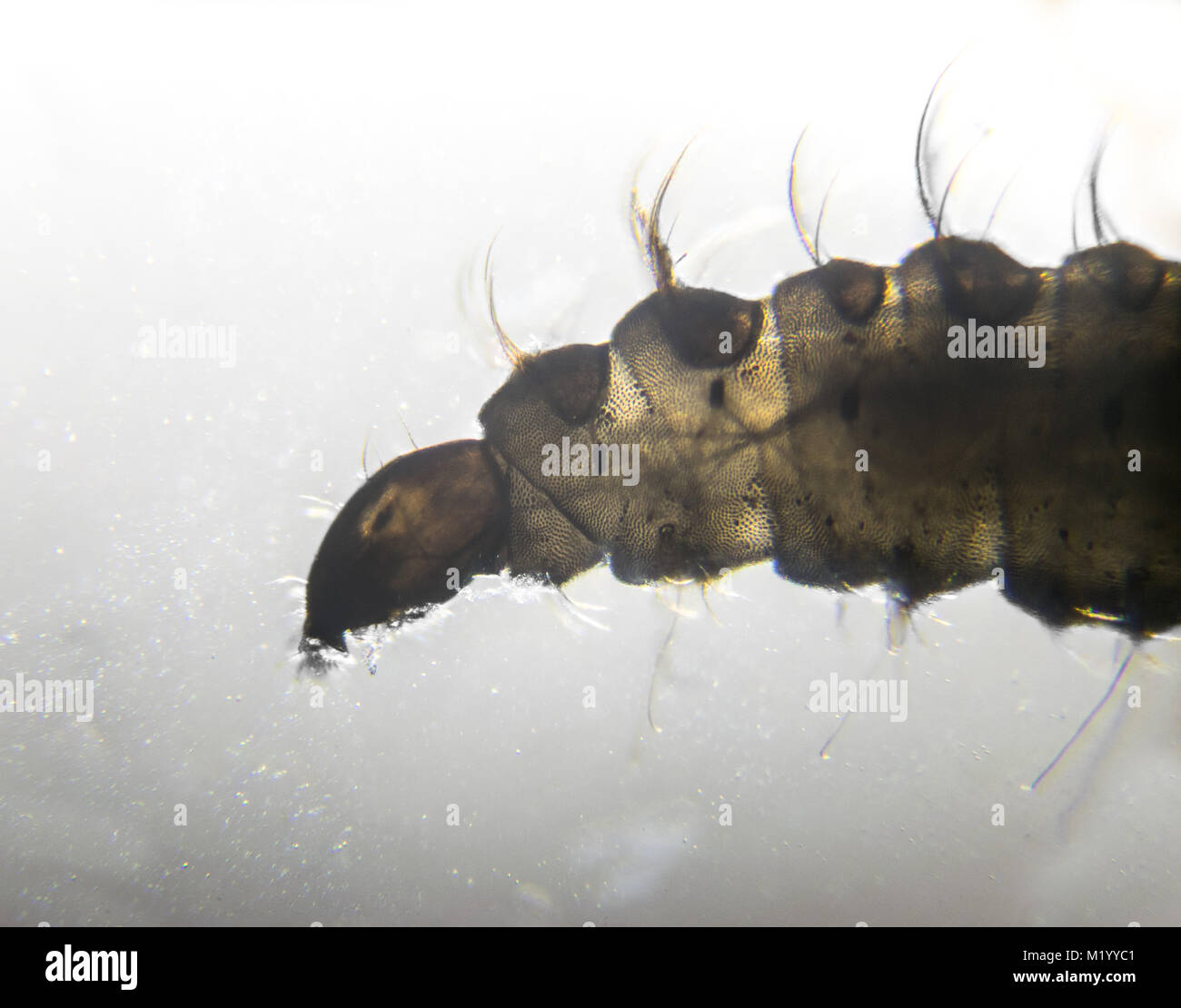
DRAIN FLY LARVAE UNDER A MICROSCOPE (Clogmia Albipunctata) | Microscope ...
The fly was far too active to examine for long under the microscope, so I popped the dish in the refrigerator and made my tea. Fifteen minutes of cooling its flight muscles and I could examine my catch of the day at leisure. A reader took some fantastic photos using a light microscope of some creatures.

We believe these creatures are drain fly larvae. Habitat Adult drain flies can be found resting on the walls of bathrooms, kitchens, or in basements. They are often seen on inside bathtubs and shower stalls during the day.

Exploring The Drain Fly or moth flies Video 2 under a Microscope - YouTube
They become more active at night, hovering over drains, sinks, and other breeding areas. Drain flies can also be found around any filters, drains, or condensation drip pans of dishwashers, refrigerators, air conditioning. Psychodidae, also called drain flies, sink flies, filter flies, [2] sewer flies, or sewer gnats, is a family of true flies.

Some genera have short, hairy bodies and wings, giving them a "furry" moth-like appearance, hence one of their common names, moth flies. [2] Members of the sub-family Phlebotominae, which are hematophagous (feed on blood), may be called sand flies in some countries. Moth flies or Drain fliesMoth flies or Drain flies (Psychoda sp.) In nature, moth fly larvae normally occur in aquatic habitats that experience intermittent submersion.

Drain Fly Larvae Worm
They reproduce in polluted, shallow water or highly moist organic solids where they feed on decaying organic material in mud, moss or water. In homes, the adult flies are most likely found on the walls of the bathrooms. Gene expression patterns in a drain fly embryo (Clogmia albipunctata) with an open eggshell Dr.
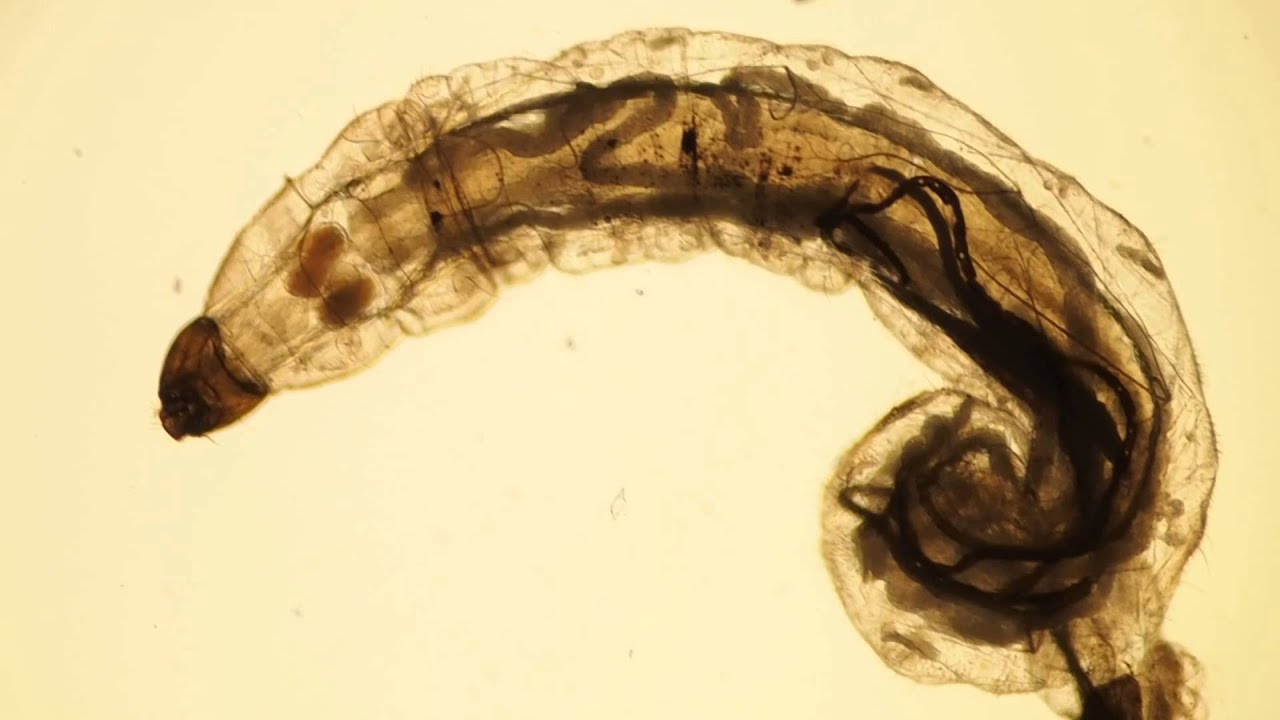
Bruno Vellutini Affiliation Max Planck Institute of Molecular Cell Biology and Genetics Dresden, Saxony, Germany Technique Confocal Magnification 20X (Objective Lens Magnification). How to get rid of drain flies? To get rid of this drain fly. You can simply have 1 litre of boiling water combined with 3 spoons of baking soda, 1 spoon of salt and 5 spoons of vinegar.

A droplet of liquid was formed just above the drain fly and expanded until it came in contact with the fly. Images of the contact angle with water were taken with a Nikon D3X SLR camera with a Leica Z16 APO microscope lens.